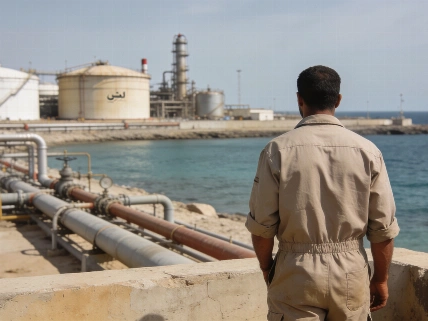

Japan's Libyan-Japanese Parliamentary Friendship Association is weighing a visit to Libya to coincide with the Libya Energy and Economic Summit in January 2027, signaling renewed Japanese interest in Libya's energy and economic sectors.
Japan's Libyan-Japanese Parliamentary Friendship Association is actively considering dispatching a high-level delegation to Libya for the Libya Energy and Economic Summit in January 2027, a move that could mark the most significant Japanese parliamentary presence in the country in years.
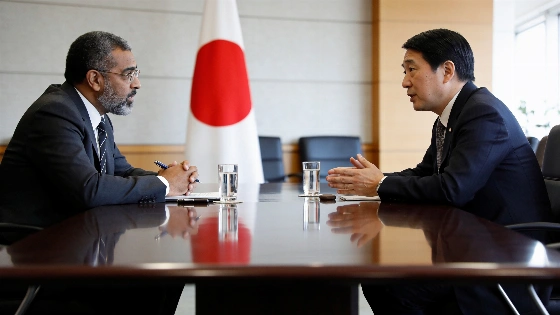
The prospect of this visit was revealed by Yoichi Fukazawa, a member of the Japanese House of Representatives and a key figure in the Friendship Association, during discussions with Libya's Tripoli-based Minister of Health, Mohamed Al-Ghouj, in Tokyo this week. The timing is no accident: Libya's energy sector is seeking new international partners, and Japan's potential engagement comes as other foreign investors are also exploring opportunities in the country's reconstruction and resource development.
Strategic Timing for Japanese Engagement
The Libya Energy and Economic Summit 2027 (LEES 2027) is set to be a focal point for international investors and policymakers. By aligning a parliamentary visit with this event, Japanese lawmakers are positioning themselves to directly assess Libya's investment climate and political stability. This approach mirrors recent moves by other foreign actors, as seen when Saudi companies began exploring Libyan partnerships, as reported earlier.
For Libya, attracting Japanese parliamentary attention is more than symbolic. It signals to the market that the country is open for business and that Asian capital could soon join the mix of actors shaping Libya's post-conflict economic trajectory. The Friendship Association's deliberations suggest that Japan is not content to remain a passive observer while other states move to secure a foothold in Libya's energy and infrastructure sectors.
Implications for Libya's Investment Landscape
Should the visit proceed, it would provide Japanese lawmakers with firsthand exposure to Libya's evolving regulatory environment and the realities of doing business in a country still navigating political fragmentation. The presence of Japanese parliamentarians could also catalyze follow-on visits by Japanese companies, especially those in energy, engineering, and technology.
For Libya's government, the potential visit is a diplomatic asset. It offers a platform to showcase progress on reforms and to pitch new projects directly to Japanese decision-makers. The move also fits into a broader pattern of Libya courting foreign expertise and capital, as evidenced by recent outreach to Tunisian and Saudi investors.
Japan's cautious but deliberate approach stands in contrast to the more aggressive strategies of some Gulf and European actors. If the Friendship Association's visit materializes, it will be a litmus test for whether Japanese engagement can translate into concrete deals or remains limited to diplomatic overtures. The real measure will be whether Japanese capital and technology follow the parliamentary handshake, or if Libya's complex risk environment keeps Tokyo's ambitions in check.