
At its October 4 meeting, the JMMC warned that attacks on energy infrastructure and disruptions to maritime routes could unsettle oil markets. Hormuz flows averaged 14.2 million barrels per day as of September 26, but shipping and insurance costs remained high.
At its 68th meeting on October 4, the Joint Ministerial Monitoring Committee reviewed July and August 2026 production data. It reported overall conformity among OPEC and non-OPEC participants in the Declaration of Cooperation, Reuters reported.
The committee also warned that attacks on energy infrastructure and interruptions to international maritime routes could increase market volatility and weaken efforts to keep markets stable. The warning puts shipping security alongside production discipline.
Oil flows through the Strait of Hormuz averaged 14.2 million barrels per day in the seven days through September 26, about 80% of the pre-war level, according to Reuters, citing Kpler. The recovery has not removed risks to global supply.
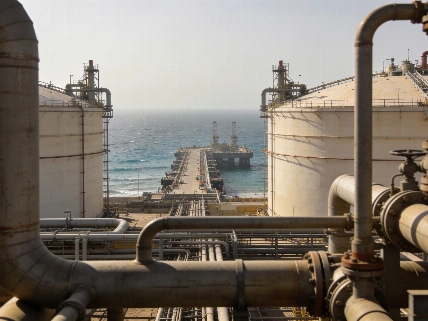
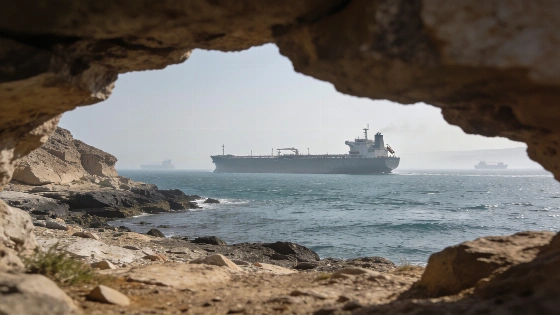
The JMMC reaffirmed participants' commitment to the Declaration of Cooperation, Reuters reported. The Strait of Hormuz is a major route for global oil and liquefied natural gas shipments. Security concerns have led some vessels to avoid the waterway or take other routes. Insurance and freight costs remain elevated.
Logistics are still under pressure. Reuters reported that higher flow figures do not mean maritime transport has returned to normal. Recovering volumes do not remove the cost of disrupted shipping or the risk of further interruptions.
The JMMC communiqué, carried by the Saudi Press Agency (SPA), also warned that restoring damaged energy assets to full capacity can be costly and take considerable time. That matters to producers and importers alike.
Algeria is one of the JMMC's members, alongside Saudi Arabia, Russia, Iraq, Kuwait, Kazakhstan, Nigeria and Venezuela. The committee's warning is directly relevant to the Maghreb's energy policy debate, including coverage by Algeria's state news agency APS.
The regional effects reach beyond producers. Algeria and Libya produce oil. Energy importers such as Morocco and Tunisia can be exposed to shifts in international prices and transport costs. Maritime disruption can affect Maghreb economies through export revenues and import bills, even when local production and shipping routes are not directly affected.
A separate Eastern Mediterranean security pact addressed protection for gas fields and offshore infrastructure. The actors and locations differ. In both cases, energy assets and the routes that serve them are part of security planning.
The committee's next meeting is scheduled for November 29, 2026. For Algeria, JMMC membership makes production coordination directly relevant. It cannot, by itself, protect supply when ships face route risks and higher transport costs. Trade routes matter.
Reuters' assessment of the shipping data and the Saudi Press Agency communiqué both point to the same concern: higher flows through Hormuz have not removed logistical risks. Reuters' analysis also describes continuing pressure on energy transport.