
Niger's ambassador to Algeria, Aminou Malam Manzo, praised a programme offering vocational training to 500 Nigerien trainees. He said it could strengthen ties between the neighbours.
Algerian officials formally received 500 Nigerien trainees on 30 September 2026. The Algerian Press Service reported that Niger's ambassador, Aminou Malam Manzo, thanked President Abdelmadjid Tebboune for the initiative. Manzo said the programme could strengthen cooperation between the two countries and bring their peoples closer.
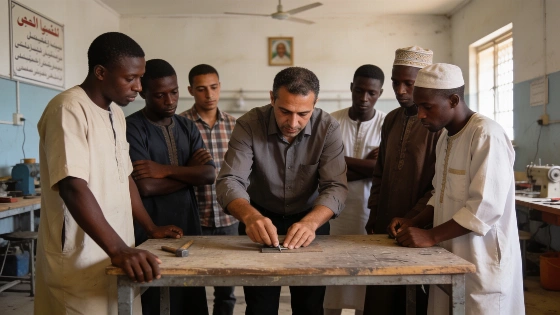
The programme's launch was confirmed at a ceremony in Boumerdès on 3 October. Eighty-eight trainees attended. The others were placed across 10 wilayas. Courses cover 19 specialties at vocational training centres and institutes. The programme reaches well beyond the capital.
The locations are Boumerdès, El Oued, Tamanrasset, Ouargla, Adrar, Ghardaïa, Oran, Blida, Alger and Tébessa. Radio Algérie reported that the programme is being carried out on the president's instructions, under the oversight of Algeria's vocational training and labour authorities. That is the scope.
Algerian authorities have presented the intake as part of a wider policy to support African partners through skills training and human-resource development. For Niger, its practical value will depend on whether the courses match workforce needs and trainees can use their skills after returning home. The reports provide no assessment framework or outcome data. The programme's longer-term economic impact cannot yet be measured.
The initiative is a direct form of cooperation between Algeria and Niger. It is not evidence of changes in trade, investment or regional economic integration. The programme's immediate focus is vocational training. To assess wider effects, more information is needed on the specialties, completion rates and trainees' later employment or business activity.
Manzo's endorsement signals Niger's support for the programme and interest in further collaboration. The reports cited here give no timetable or details for a follow-on initiative. For now, the confirmed facts are the 500-person intake, training in 19 specialties and delivery across 10 Algerian wilayas. Those are the numbers.
The programme gives Algeria and Niger a practical way to work together on skills development. Its longer-term value will depend on what trainees learn and whether those skills lead to useful outcomes in Niger. Claims of wider regional impact should wait for evidence.
Maghreb Insider's Morocco investment analysis examines a separate regional issue. It offers no evidence about the Algeria-Niger programme.