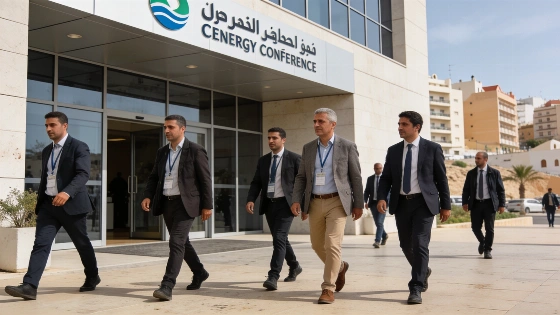
NAPEC is scheduled to open in Oran on 5 October, with more than 450 exhibitors and over 230 speakers expected. Algeria is using the event to promote its role as an energy supplier and widen discussion to hydrogen and decarbonization.
At the Mohamed Ben Ahmed Convention Center in Oran, the 14th edition of the North Africa Petroleum Exhibition and Conference (NAPEC) is due to open on Monday, 5 October. It is scheduled to run through 7 October under the theme "From Energy Transition to Energy Addition," according to Algeria Press Service.
More than 450 exhibitors and over 230 speakers were announced for the event. Radio Algeria reported that Minister of State for Hydrocarbons Mohamed Arkab was to lead the opening ceremony. Minister of Energy and Renewable Energies Mourad Adjal was also expected to attend. The broadcaster reported the presence of Sonatrach chief executive Nourredine Daoudi, Sonelgaz chief Nabil Kaafi and the head of the hydrocarbons regulator.
Cooperation is central. The agenda includes energy and hydrogen in Africa and the Mediterranean. It also reaches beyond NAPEC's traditional focus on petroleum, with hydrogen and decarbonization among the announced themes. Those themes do not confirm investment or project outcomes. Radio Algeria reported that African Petroleum Producers' Organization Secretary-General Farid Ghezali was in Algeria for NAPEC meetings expected to address changes in hydrocarbons markets and cooperation among African oil and gas producers.
Regional discussions also include hydrogen corridor planning, a separate initiative still at the planning and feasibility stage. NAPEC gives participants a place to discuss such regional issues. The available announcements do not confirm new agreements, investment commitments or changes to cross-border energy flows. No new deal is confirmed.
Algerian official coverage presents the event as part of the country's effort to strengthen its position as a reliable energy supplier. That is a strategic message, not a measure of future performance. A conference can bring companies, officials and regional bodies together. It cannot guarantee reliable supplies or economic growth. Its practical significance will depend on whether discussions produce verifiable cooperation and concrete results beyond the event.