
Julyana Free Zone Port registered its highest monthly vessel traffic in August, handling 93 commercial ships across diverse cargo types. The surge signals a shift in regional trade flows and growing confidence among shipping operators and merchants.
August marked a turning point for Julyana Free Zone Port, which shattered its previous records by handling 93 commercial vessels in a single month. This surge in maritime traffic is not just a statistical milestone-it is a direct signal that shipping lines and regional traders are recalibrating their logistics strategies in favour of Julyana Free Zone.
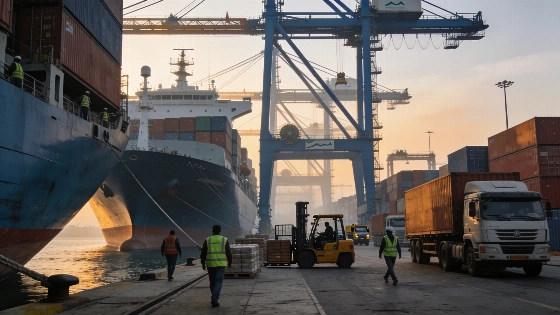
Port authorities confirmed that August's vessel count outpaced all prior months, with a diverse mix of cargoes arriving at the docks. The breakdown reveals a complex web of trade: 38 container ships, 14 fuel tankers, 10 cement carriers, 7 vehicle carriers, 3 grain carriers, 3 asphalt carriers, 13 general cargo vessels, a single iron carrier, one empty container ship, and three vessels stopping for refuelling and provisions.
Shipping lines and merchants shift to Julyana Free Zone
The port's management attributes this spike to a growing preference among shipping companies and merchants for Julyana Free Zone as a primary entry point for goods. The diversity of vessels-from bulk carriers to specialised tankers-underscores the port's expanding operational capacity and its ability to handle a wide spectrum of commodities.
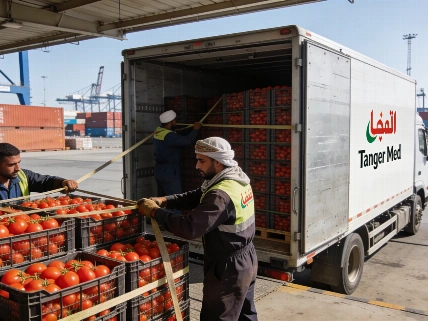
Merchants are increasingly routing their imports through Julyana, citing efficiency and reliability. The uptick in vehicle, cement, and fuel shipments points to robust demand from construction, automotive, and energy sectors, while the presence of grain and iron carriers signals the port's role in supporting broader industrial supply chains.
Strategic implications for regional trade and logistics
This record-breaking month is more than a local success story. The heightened activity at Julyana Free Zone Port is a clear indicator that regional trade flows are being reconfigured. As shipping lines redirect vessels and merchants consolidate their logistics operations, the port is positioning itself as a critical node in North African and Mediterranean supply chains.
For competitors in the region, Julyana's momentum is a wake-up call. The port's ability to attract a broad mix of cargoes and operators is not accidental-it reflects deliberate investment in infrastructure and a calculated push to capture market share from established rivals. The numbers speak for themselves: August's vessel arrivals are not a statistical blip but the result of sustained commercial interest and operational credibility.
Julyana Free Zone Port's August performance is a direct challenge to the status quo in regional logistics. The port's management has capitalised on shifting trade patterns and merchant preferences, translating them into tangible growth. Unless competitors respond with equal agility, Julyana is set to entrench its position as a leading commercial gateway-reshaping the logistics landscape for the foreseeable future.