
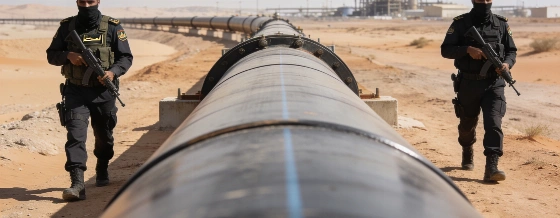
Algeria has strongly criticized recent drone attacks on Saudi Arabia's East-West pipeline, warning that such incidents threaten regional stability and the security of vital energy routes.
Algeria has condemned the recent drone attacks on Saudi Arabia's East-West pipeline, calling the incident a direct threat to the security of key energy routes in the region. According to the Saudi Ministry of Energy, several drones launched from Iraq struck the pipeline on 10 September 2026. Operations were suspended while safety teams secured the area and assessed the damage, as reported by international wire services and the Algerian Press Service (APS).
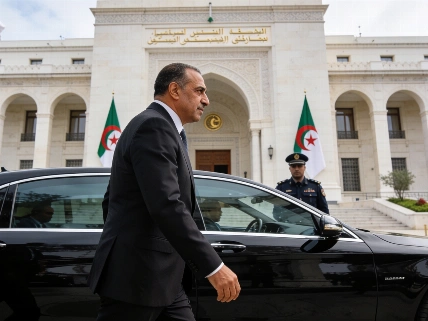
In its statement, Algeria's foreign ministry denounced the attack and highlighted the broader risks to energy infrastructure that supports both regional economies and global supply chains. The ministry called for urgent international cooperation to prevent further incidents, stressing that protecting these assets is a shared responsibility. Officials in Algiers said that safeguarding energy corridors is essential for the stability of North Africa and the wider MENA region, echoing similar concerns from the Moroccan news agency MAP and the Tunisian Ministry of Energy.
Energy infrastructure faces new threats
The East-West pipeline is a major route for Saudi oil exports, able to transport up to 7 million barrels per day and serving as an alternative to the Strait of Hormuz. Disruptions to this pipeline have effects beyond Saudi Arabia, with officials reporting injuries and material damage in the Riyadh and Medina areas. Algeria's response shows that North African producers are aware of the potential ripple effects such attacks can have on energy markets and regional stability. The timing and tone of the statement reflect growing concern among energy-exporting countries about the vulnerability of cross-border infrastructure, as noted in recent reports by the United Nations Economic Commission for Africa (UNECA).
There has been a pattern of drone-related incidents targeting energy sites in the region in recent months. As reported earlier, similar attacks in Libya have raised concerns about the safety of oil and gas facilities, with operators and governments working to strengthen defenses. The Iraqi government also condemned the latest attacks and dismissed a senior military commander after investigations confirmed the drones came from Iraqi territory, according to APS and regional diplomatic sources.
Regional response and consequences
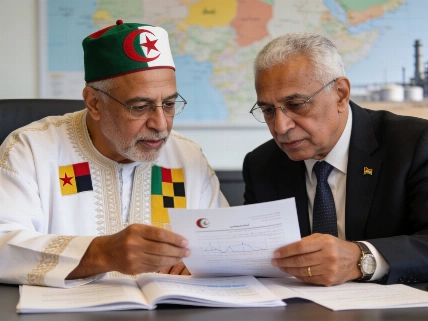
By supporting Saudi Arabia, Algeria is reaffirming its interest in regional stability and the security of Gulf energy infrastructure. Algeria's economy relies heavily on hydrocarbon exports, so any escalation that disrupts oil and gas flows is a direct risk to its own interests. The Algerian Ministry of Energy has previously called for regional coordination on energy security, a position repeated in recent ministerial statements.
Calls for international cooperation reflect the reality that no single country can fully protect its infrastructure from evolving threats. Regional actors are being urged to coordinate or risk further attacks on strategic assets. Kuwait's foreign ministry has also condemned the strike, describing it as a violation of sovereignty and a threat to energy supply security, as reported by TAP and other regional agencies.
Algeria's condemnation is both a show of solidarity and a warning. Without a coordinated response, regional states remain vulnerable to attacks that can disrupt economies and increase insecurity. For North Africa's energy exporters, the risks are growing, and the need for joint action is becoming more urgent.