

Morocco is ramping up fresh produce exports to the UK and Europe. New shipping links, expanded water supplies, and bigger harvests from the Souss region are changing the face of regional trade.
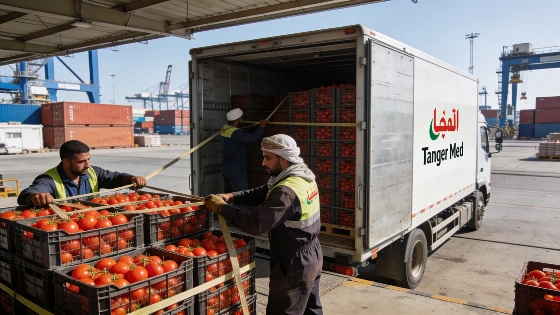
Moroccan trucks loaded with fresh produce now roll through Tanger Med at a speed that would have seemed impossible just a few years ago. On peak days, up to 700 trucks pass through. Annual volumes are set to top 130,000 by 2026. This isn't just about bigger numbers. It marks a real change in how Moroccan farms connect with Europe. The Moroccan Ministry of Agriculture says the country shipped out a record 2.38 million tons of fresh fruit and vegetables in 2025. Of that, 1.47 million tons-62%-went to the European Union. The UK alone took in about 330,000 tons in 2025, up 8% from the year before. France, Spain, and the Netherlands are still the biggest EU buyers, according to Afrik.com and MAP.
The Souss region sits at the center of this shift. It produces about 90% of Morocco's tomatoes, citrus, berries, avocados, and other main crops. A big desalination project now brings Atlantic water to more than 15,000 hectares of farmland. This is vital as water shortages get worse across North Africa. The project fits into Morocco's national water plan, as recent statements from the Ministry of Equipment and Water show. International partners like the European Bank for Reconstruction and Development (EBRD) are backing these efforts.
Direct shipping and new logistics routes cut transit times
Moroccan exporters no longer have to rely only on long overland routes. Fresh produce now ships straight from Agadir to the UK. DP World's Atlas Service runs a reefer container route that cuts two days off the trip for fruit and vegetables. Samskip's weekly refrigerated container service from Agadir and Casablanca gives Morocco even more reach into the UK and Europe. The Moroccan Ports Agency and the official news agency MAP have both pointed to the key role of Tanger Med and Agadir in these trade corridors.
Tomatoes, blueberries, raspberries, and sweet peppers are leading the way. In the 2025/26 season, Morocco shipped 10,400 tons of sweet peppers to the UK between October 2025 and June 2026. That haul was worth over £17 million. Morocco's share of UK sweet pepper imports hit 9% in the busiest month. Blueberry exports also broke records, with 82,590 tons shipped in 2025. Spain and the UK together bought 77% of those berries, taking 43,110 and 20,180 tons each, according to FreshPlaza and IBO. Packing houses in Souss now handle cherry and baby plum tomatoes for UK and European buyers, showing a sharp focus on what the market wants.
Regulatory focus and research underpin export growth
Morocco Foodex held an international workshop in Agadir on 15 September 2026. Over 30 experts from Morocco and Europe spent two days on presentations and field visits. They tackled new EU and UK rules, market trends, crop management, and logistics. The talks made clear how tough it is to scale up exports to demanding European markets. One key result was the push for the "Moroccan Sustain Food" standard. This standard, developed with help from the FAO and EBRD, aims to help Moroccan exporters meet future sustainability and traceability rules in the EU and UK. The focus on environmental standards and supply chain strength was echoed by the Ministry of Agriculture and the European Union Delegation in Rabat.
Research in the region is moving forward. New pest management steps target fruit fly to protect crop quality and keep exports eligible. The UN Economic Commission for Africa (UNECA) notes that Morocco's work to track carbon footprints and environmental impacts is now tied to market access in Europe and the UK. This shows a wider shift in Maghreb trade policy toward sustainability and compliance.
Morocco's export drive is clear, but the bigger picture is still complicated. As reported earlier, Moroccan households and workers are feeling the strain from rising costs and debt. That makes the success of export-led sectors even more important for the country's economic stability.
Strategic implications for Morocco's trade position
The fast growth of Morocco's fresh produce exports is more than just a story about farming. It tests the country's ability to build strong supply chains, invest in water, and meet strict European rules. Direct shipping, modern packing, and targeted research are helping Morocco become a serious player in the UK and EU fresh produce markets. The next steps will depend on keeping water flowing, running logistics smoothly, and staying ahead of changing regulations. For now, Morocco's farm exporters are showing that with the right infrastructure and focus, the country can move from regional supplier to key partner for European food security. Both the Ministry of Foreign Affairs and regional economic analysts have recognized this shift.