
A sudden halt at Saudi Arabia's East-West pipeline and shutdowns at Libyan oil fields have sent oil prices sharply higher, exposing the market's vulnerability to regional supply shocks and escalating geopolitical risks.
Brent crude climbed to nearly $109 a barrel, and West Texas Intermediate rose more than 4% after two major disruptions hit global oil supply: Saudi Arabia's East-West pipeline was taken offline by drone attacks, and Libya shut down several oil fields. The market is now facing a clear shortage, with diesel futures closing at record highs and traders searching for alternatives. The Algerian Press Service (APS) reports that North African energy markets are watching these events closely, given their direct impact on export revenues and fiscal stability in the region.
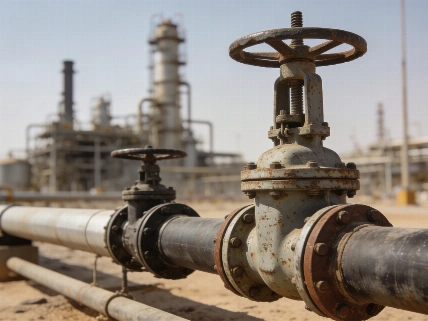
The Saudi pipeline, which runs the length of the Arabian Peninsula, has long been a key route for oil exports, especially during times of tension in the Strait of Hormuz. Its closure last week was confirmed by the Saudi Ministry of Energy after drone attacks damaged infrastructure near Riyadh and Medina, causing injuries and material damage. Saudi officials have not said when flows will resume, and Reuters notes there is no official restoration schedule as of mid-September. Iraqi officials, also cited by Reuters, said the drones were launched from Iraqi territory, leading to the dismissal of a senior Iraqi military commander as part of an ongoing investigation. The East-West Pipeline's 1,200-kilometer route is considered strategically important because it lets Saudi Arabia export crude without relying on the Strait of Hormuz, a point often highlighted by the UN Economic Commission for Africa (UNECA) in its energy security reports.
Libyan production faces new force majeure threat
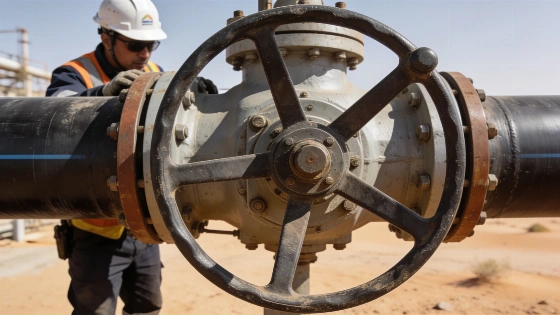
Libya's oil sector is under renewed pressure after the Hamada-Zawiya pipeline was closed, forcing several fields offline. The National Oil Corporation (NOC) announced a full halt in production at the Hamada, Tahara, and NC5 fields after the Petroleum Facilities Guard shut a key valve, warning that a force majeure declaration could follow if the standoff continues. The Petroleum Facilities Guard has also threatened to shut down more sites, including Wafa, Al-Khamsa, and El Feel, unless its demands are met. This adds to the region's supply problems, as European buyers-already affected by the Saudi outage-look for replacement barrels. The main price for physical crude, Dated Brent, jumped above $130 for the first time since April, showing how tight supply has become. The Tunis Afrique Presse (TAP) agency reports that Tunisia's Ministry of Industry and Energy is working with regional partners to reduce the risk of shortages and price swings.
Market signals point to ongoing stress. Brent's prompt spread-now over $5 a barrel in backwardation-shows acute short-term scarcity. Diesel prices have hit new highs, partly due to Ukrainian strikes on Russian refineries, including a reported attack on the Syzran facility in the Volga region. In the US, Senate Majority Leader John Thune's comments about a possible diesel export ban have added to the volatility, with analysts warning that such a move could raise domestic prices. Morocco's Ministry of Energy Transition and Sustainable Development has also called for stronger regional cooperation to ensure energy security, referencing recent talks with Algeria and Libya.
Geopolitical risk and inflationary pressure intensify
With the Middle East unsettled and the Russia-Ukraine conflict ongoing, the oil market's flexibility is being tested. Some officials have suggested the East-West pipeline could reopen within days, but traders remain cautious without clear updates from Saudi Aramco or the Ministry of Energy. Physical shortages are driving prices, as seen in the persistent backwardation and rising spot prices. The impact is already visible in financial markets. Brent futures have risen by about three-quarters this year, and the ongoing instability has pushed 10-year Treasury yields to their highest since 2007. Macquarie Group's Walt Chancellor noted, "The prospect of a prolonged conflict had been building since late July and appears to be becoming a consensus view."
Libya's oil sector has faced repeated disruptions amid political and security turmoil, as covered in our earlier report on the country's vulnerability to renewed shocks. The African Union's Peace and Security Council has also called for renewed dialogue among Libyan stakeholders to stabilize the sector and protect key export infrastructure.
Market outlook and regional stakes
As the global energy system absorbs the latest shocks from Saudi Arabia and Libya, attention remains on how long these outages will last and whether other producers can fill the gap. Brent for November settlement closed up 2.9% at $108.75 a barrel, while West Texas Intermediate for October delivery finished 4.4% higher at $105.83. The strong prompt spreads suggest traders expect tight supply to continue in the near term. Morocco's state news agency MAP reports that Rabat is stepping up contingency planning for strategic reserves, working with Maghreb and EU partners through the Ministry of Energy portal.
With both North African and Middle Eastern supply under threat, the region's role in global energy security is once again clear. The current crisis shows how little spare capacity remains. Until flows resume from Saudi Arabia and Libya, the market is likely to stay tense, reminding policymakers and investors that regional disruptions can still set the global price of oil.