
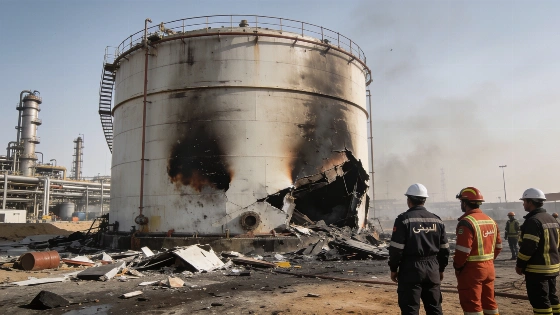
Libya's UN-backed government says it has dismantled a sabotage cell accused of orchestrating a wave of drone attacks on vital oil and electricity infrastructure in Zawiya and Tripoli, arresting five suspects and warning of a broader plot targeting the country's energy sector.
Libya's energy sector has been thrown into fresh turmoil after the Government of National Unity (GNU) announced the arrest of five suspects accused of orchestrating a string of drone attacks on critical oil and power infrastructure in the west of the country. The government claims the cell, made up of Libyan and foreign nationals, was preparing further strikes on strategic assets before being dismantled in a defence ministry-led operation.
The sabotage campaign reached its peak in August, when explosive-laden drones repeatedly struck the Zawiya oil refinery-Libya's largest operating facility-and key electricity substations. The attacks forced a partial shutdown at the refinery, damaged fuel storage tanks, and triggered widespread power outages, exposing the vulnerability of Libya's infrastructure amid ongoing political fragmentation.
Sabotage cell dismantled after coordinated attacks
According to the GNU, the arrested group used suicide drones to target oil storage tanks in Tripoli and Zawiya, as well as the Zawiya power station. Authorities allege the same network was plotting further attacks on the South Tripoli power station and other vital sites, including political and military figures. The government has not disclosed the identities or nationalities of the suspects, nor has it named any groups or states suspected of supporting the operation.
Officials insist the attacks were not isolated incidents but part of a "broad and interconnected sabotage plot" involving multiple actors. The investigation remains ongoing, with the GNU promising to reveal the wider network and those who financed or facilitated the operation once preliminary inquiries are complete. The government has vowed to "strike with an iron fist" against anyone implicated, regardless of rank or position.
Energy infrastructure targeted as political divisions persist
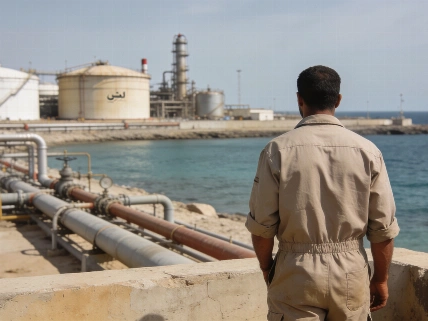
The Zawiya refinery, located 45 kilometres west of Tripoli, is a linchpin for fuel supplies in western Libya, processing around 120,000 barrels per day. In August, the National Oil Corporation Libya reported that a drone strike set a diesel tank ablaze and caused a petrol tank holding 4.5 million litres to collapse. Repeated attacks forced the facility to partially shut down and disrupted fuel distribution across the region. The NOC warned it could declare force majeure and halt operations entirely if the strikes continued, though no casualties were reported.
Electricity infrastructure was also hit hard. A drone attack on the South Zawiya substation on 12 August knocked out more than half of the Zawiya power station's 1,300 MW capacity, plunging large areas south of the city into darkness. The deteriorating security situation prompted US company General Electric to suspend work and withdraw technical teams from the site.
Political fragmentation fuels security risks
Libya's chronic institutional divisions have left its strategic assets exposed. Since the fall of Muammar Gaddafi in 2011, the country has been split between rival authorities, with the GNU controlling Tripoli and much of the west, while eastern regions remain under separate rule. Oil and power facilities have repeatedly become bargaining chips in political and military disputes, but the use of explosive drones marks a dangerous escalation in the contest for control.
While the GNU has pointed to "external entities" as possible backers of the sabotage campaign, it has yet to provide public evidence or name specific actors. The lack of transparency over the suspects' identities and affiliations leaves open questions about the true scope and sponsors of the attacks. What is clear is that Libya's energy infrastructure remains a prime target for destabilisation, with direct consequences for the country's economy and the daily lives of its citizens.
The government's promise to expose the full network behind the attacks will be the next test of its capacity to restore order and protect strategic assets. Until then, the episode exposes just how fragile Libya's energy security remains-and how easily political rivalries can be weaponised against the country's most vital infrastructure.