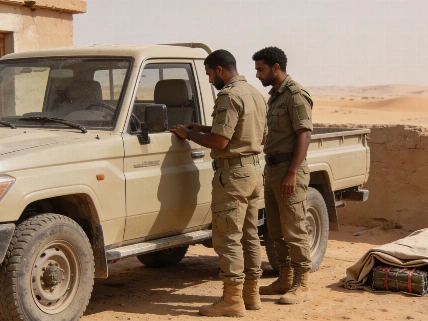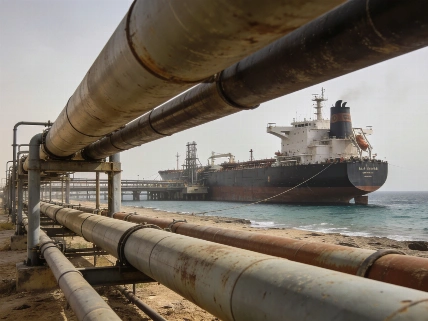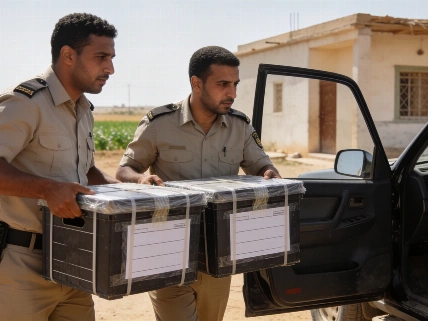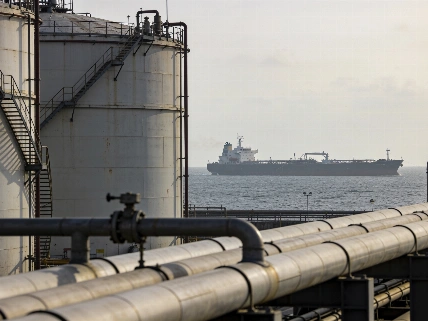

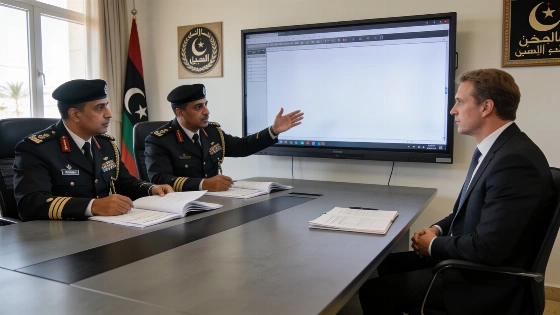
Libya's Customs Authority is working to restart long-delayed contracts with international companies for automated inspection and maritime monitoring, aiming to improve border security and tackle smuggling after years of little progress.
Libya's Customs Authority is making a renewed effort to restart automated inspection and maritime control projects that have been on hold for years. This week, officials invited representatives from several international companies to their Tripoli headquarters to review old contracts and discuss unfinished work. The push comes as the government tries to tighten control over cross-border trade. Earlier this month, the Customs Authority and the Ministry of Economy jointly announced a ban on imports outside the formal banking system, a policy made official on 11 September 2026 (ministerial announcement).
The main goal is to finally put advanced inspection and monitoring technology in place at Libya's air, land, and seaports-tools that have existed mostly on paper since the original deals were signed. Major General Moussa Ali Mohammed, Director General of the Customs Authority, led the meeting, which included senior Libyan officials and foreign company representatives. Bremesgraf Ltd, a British-headquartered firm, is believed to be among those involved. So far, there are no independently confirmed details on project costs, the number of scanners, or when the systems might be operational. Updates on these contracts have come mainly from local and official sources, with no coverage from major international news agencies.
Stalled contracts and ongoing challenges
Despite early optimism, contracts for automated inspection, container scanning, and coastal surveillance have faced repeated delays due to technical and operational problems. The Customs Authority has acknowledged the slow progress. The recent meeting focused on identifying the specific issues that have blocked completion and what would be needed to move forward. Similar problems have affected other countries in the region. Tunisia's Customs Directorate, for example, has also struggled with digitalising border management, though it did introduce an AI-powered risk targeting system for customs declarations in 2026, according to the Straits AI Institute.
Officials say the need for advanced equipment is now more urgent than ever. They want devices and systems that meet international technical standards to improve border operations and help fight smuggling and organised crime, which continue to exploit gaps in Libya's border controls. The push for automation is part of Libya's national AI strategy for 2026-2030, which sets guidelines for using artificial intelligence in public sector work (AI policy overview).
International partners and regional context
The Customs Authority has not named all the companies or their countries of origin, but the involvement of firms like Bremesgraf Ltd suggests that international partners are willing to re-engage with Libya's border security sector. This trend is not limited to customs. In the energy sector, Libya's National Oil Corporation has also sought out British and other international expertise (reported earlier). Across the Maghreb, news agencies in Algeria and Morocco have reported on the region-wide move toward digital customs systems and AI-driven inspection, reflecting a shared recognition that technology is needed to counter illicit trade.
The Customs Authority's focus on meeting international standards shows both a desire to modernise and an understanding that Libya's borders remain a weak point, not just for the country but for the region. Effective inspection at ports and coastlines is seen as essential to stopping illegal flows that destabilise Libya and its neighbours. The African Union and the UN Economic Commission for Africa have both stressed the importance of strong customs infrastructure for regional security and economic integration.
What happens next
The Customs Authority's public push to activate these contracts signals that it does not want border modernisation to stall any longer. The real question is whether these efforts will lead to actual improvements on the ground, or if the same problems will continue to hold things back. For now, the Authority's willingness to address past failures and bring international partners back to the table is a necessary step toward restoring credible border control. The outcome will affect not only Libya's customs operations but also its ability to fight smuggling and strengthen its sovereignty at a time when institutions remain fragile. The U.S. Embassy in Libya has also highlighted the need for effective oversight and professional management of state resources, indirectly supporting the anti-smuggling and border control agenda (U.S. Embassy - Libya on X).