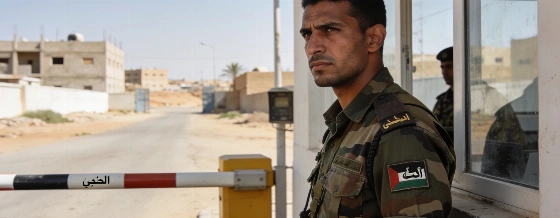
Libya's Ministry of Defence has firmly denied reports that its Misrata military base was used by Ukrainians to target Russian oil vessels, distancing Tripoli from claims of involvement in the Mediterranean's proxy conflicts.
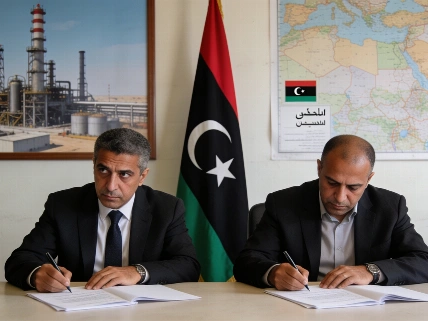
Libya's Ministry of Defence in Tripoli has issued a direct denial in response to reports that any Libyan military facility-including the Misrata base-was used to launch attacks against Russian interests or any other foreign target. This follows a CNN report alleging that Ukrainian operatives were allowed to use Libyan territory to strike Russian oil tankers off the Libyan coast. The Ministry of Foreign Affairs echoed the denial, stating that no foreign military presence or coordination for external attacks is permitted on Libyan soil, according to the Algerian Press Service and other regional sources.
The Ministry's statement, released late last night, was clear: Libya denies any agreement or arrangement that would allow the Misrata base, or any national military facility, to be used for attacks or military operations outside the official duties of the Libyan state. This message was also sent to Maghreb and MENA partners, including the Tunis Afrique Presse and the African Union Peace and Security Council, as Tripoli tries to maintain regional stability and follow international law.
Allegations and regional context
The controversy began after reports of attacks on Russian oil tankers in December 2025 and again in April this year, allegedly launched from Libyan territory by Ukrainian forces. International media coverage suggested that Tripoli's government was trading operational access for Ukrainian military training support. Russia, meanwhile, remains closely aligned with the rival eastern Libyan administration led by the Hafter family, adding to the sense that Libya is caught in a proxy struggle between outside powers. The Moroccan news agency MAP reported that some regional observers warn these allegations could destabilize North Africa and affect economic cooperation between Libya and its neighbors.
With Russian forces present in Libya-a fact described as "an open secret" by CNN-Tripoli faces pressure over its international position. The Ministry's denial is aimed at protecting Libya's diplomatic standing and asserting control over its territory. The government has also pointed to its participation in regional security talks, including meetings with the United Nations Economic Commission for Africa, to show its commitment to non-interference and peaceful cooperation.
Official response and Libya's sovereignty
Tripoli's Ministry of Defence says all military cooperation and technical training with foreign partners are carried out within approved legal frameworks. The statement repeats that Libya will not allow its land, airspace, or waters to be used for hostile acts against any country, and reaffirms its commitment to national sovereignty and stable foreign relations. This position matches the Libyan Ministry of Foreign Affairs' official policy, which stresses neutrality and respect for international agreements.
The Ministry also called on international media to verify information with Libyan authorities before publishing claims about military operations or facilities. This approach is in line with recent efforts across the Maghreb to fight misinformation and strengthen the credibility of official statements, as seen in joint messages from the Arab Maghreb Union and the African Union Commission.
Tripoli's position in a divided landscape
For Libya's western government, the episode highlights the risks of being drawn further into the Russia-Ukraine conflict, as both Moscow and Kyiv seek influence in the Mediterranean. The denial is not just about public image-it is an attempt to avoid escalation and prevent Libya from being used for foreign military agendas. Analysts cited by the Tunisian Ministry of Defence note that Libya's location and energy infrastructure make it a target for outside influence, making control over military assets especially important.
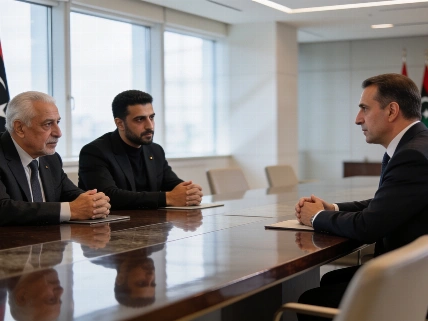
Tripoli's leaders know that any suggestion of involvement in attacks on Russian assets could lead to retaliation or damage already fragile relations with key international players. The Ministry's strong language signals a desire to keep Libya's internal divisions from being used by outside powers, even as the country remains a stage for regional and global rivalries. The government's position is supported by ongoing talks with the African Union and Maghreb partners to improve border security and prevent unauthorized use of Libyan territory for military operations.
By publicly rejecting the allegations, Tripoli is drawing a line: Libya's military bases will not be used in the wider conflict between Russia and Ukraine. Whether this position holds under continued outside pressure is uncertain, but for now, the government is relying on a firm denial to protect its sovereignty and limit the fallout from a conflict it does not want to be part of.