Libya's Prime Minister Abdel Hamid Aldabaiba has directed the General Electricity Company of Libya to implement equitable load shedding across regions, excluding health and oil sites, as the country faces severe electricity shortages and public unrest.
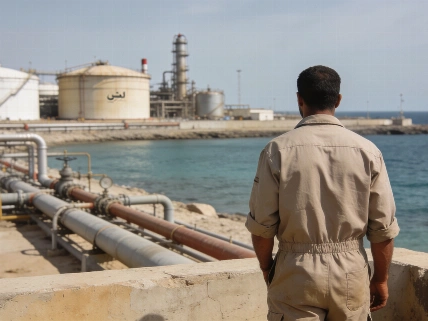
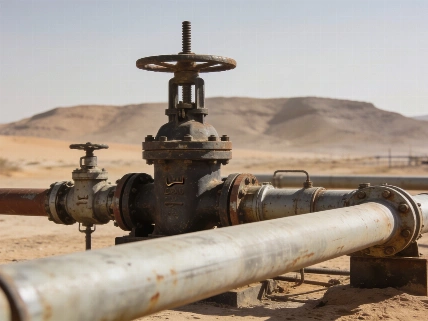
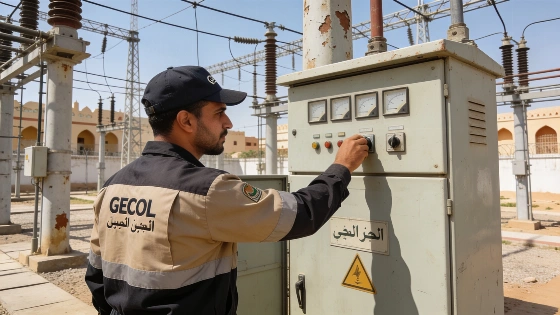
Libya's government has moved to address mounting public anger over persistent electricity shortages by ordering the General Electricity Company of Libya (GECOL) to apply load shedding measures more equitably across the country. Prime Minister Abdel Hamid Aldabaiba instructed GECOL to ensure that power cuts are distributed fairly among regions, with explicit exemptions for health facilities and oil production sites. The directive comes after a summer marked by repeated blackouts, fuel shortages, and protests in several cities.
Many Libyans have accused GECOL of favouring certain areas based on tribal, regional, or political affiliations, intensifying frustration and leading to demonstrations and blockades. The government's intervention aims to restore public confidence and reduce tensions by standardising electricity rationing procedures. In addition, GECOL has been told to establish dedicated phone lines for citizens to report grid malfunctions and lodge complaints, in an effort to improve responsiveness and transparency.
Industrial Power Reallocation to Support Grid Stability
In a related move, the Minister of State for the Affairs of the Prime Minister and the Cabinet, Mohamed bin Ghalboun, has ordered the Libyan Iron and Steel Company (LISCO) to halt its production lines and connect its power generation capacity to the national grid. This measure is intended to bolster the stability of the electricity network during the ongoing crisis. LISCO has also been instructed to coordinate with GECOL to settle its energy consumption, as part of a broader government package aimed at improving basic services and accelerating responses to citizen reports.
Implications for State Capacity and Public Services
The government's actions reflect the acute challenges facing Libya's public administration and infrastructure, as electricity shortages threaten essential services and economic activity. By prioritising health facilities and oil sites, authorities seek to protect critical sectors while attempting to distribute the burden of power cuts more evenly. The effectiveness of these measures will be closely watched by citizens and stakeholders, as the government seeks to maintain stability and prevent further unrest.