
Libya's health sector has deteriorated under the current leadership, leaving citizens and officials alike vulnerable in emergencies. Professor Abdelbaset Elfitouri warns that even those in power cannot escape the consequences of a failing public health system.
Libya's public health system is facing a severe crisis, with the country's leadership accused of neglecting and undermining essential medical services. Professor Abdelbaset Elfitouri, President of the Libyan Clinical Pharmacy Board, argues that the prevailing mindset among Libya's rulers has led to the systematic destruction of healthcare infrastructure, resulting in widespread suffering and preventable deaths across the country.
Elfitouri highlights a dangerous belief among many officials: that personal wealth and access to international medical care will shield them and their families from the consequences of a failing domestic health system. However, he warns that in life-threatening emergencies-such as major trauma, haemorrhagic shock, or acute cardiac events-immediate care is essential, and no amount of power or money can guarantee survival if local hospitals are unable to respond.
Critical Gaps in Emergency Care
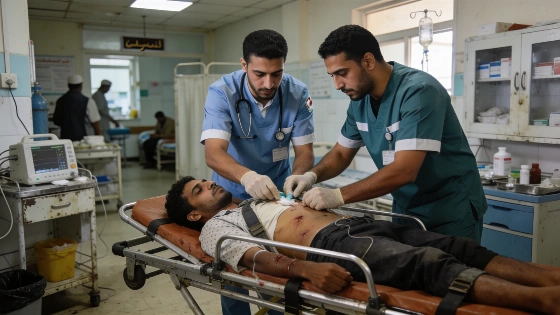
The op-ed details how urgent medical situations, including severe accidents, testicular torsion in children, ruptured ectopic pregnancies, and acute airway obstructions, require rapid intervention that cannot wait for evacuation abroad. Elfitouri stresses that even the most privileged Libyans, including government officials, are at risk if local hospitals in cities like Tripoli and Benghazi lack the necessary resources and capabilities.
He also points to the dangers posed by conditions common in Libya, such as scorpion stings and snakebites, which can be fatal without immediate access to antivenom and emergency care. The absence of functioning trauma and emergency services means that delays can have fatal consequences, regardless of social status.
Consequences for Governance and Society
Elfitouri's warning extends beyond individual risk, highlighting the broader implications for Libyan society and governance. The collapse of the health system undermines public trust and exposes the entire population-including those in power-to the same vulnerabilities. The op-ed calls for urgent investment and support for Libya's central and public hospitals to restore emergency and trauma care capacity.
As the health crisis deepens, the article underscores that the consequences of neglecting public services are inescapable, and that rebuilding the health sector is essential for the safety and stability of all Libyans.