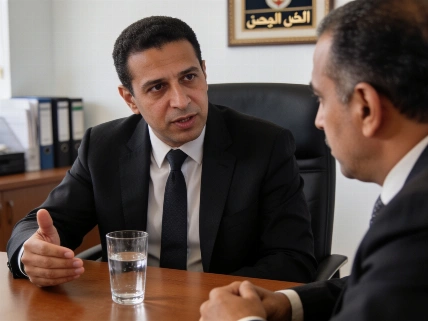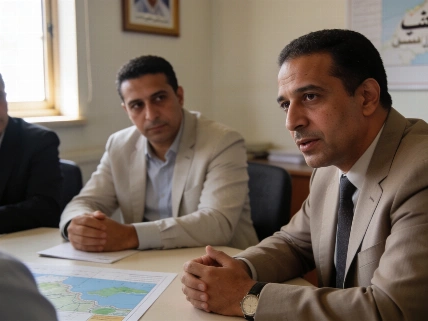
Salihin Abdulnabi al-Obeidi was elected after 111 deputies took part in the leadership vote. Aguila Saleh disputes the process, held under a rule change that limits the speaker's term to 12 months.
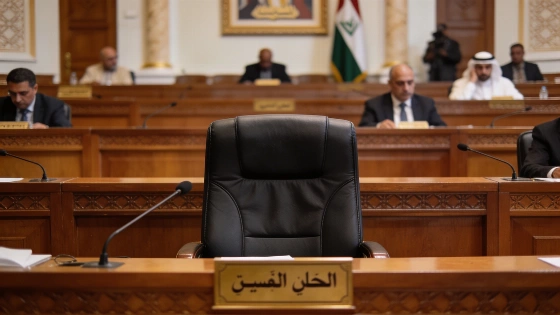
The vote took place at the House of Representatives' official headquarters in Benghazi, in a session chaired by Misbah Duma, Anadolu Agency reported. Aguila Saleh says the session that removed him did not follow the institution's rules.
On October 6, lawmakers elected Salihin Abdulnabi al-Obeidi as the new speaker. An engineer who represents Tobruk, he won unanimously, House spokesperson Abdullah Bleihg said. Reuters reported the result. Tariq al-Ashtar and Misbah Duma were elected first and second deputy speakers.
Reports gave different attendance figures for separate stages of the process. Xinhua reported 102 lawmakers at the session before the election. The House spokesperson said 111 deputies took part in the leadership vote. The numbers refer to different stages.
Saleh rejected the process. He called the session unofficial and without legal effect, and disputed the rules used to convene it. He had tried to cancel the scheduled meeting, but lawmakers went ahead with the vote. The new leadership's authority remains contested.
On October 5, 98 deputies approved changes to the House's internal rules. The amendments limit the speaker and two deputies to a 12-month term from the date of election, with no automatic extension. They also bar the outgoing leadership from obstructing the choice of a new team or postponing a session called for that purpose. Saleh rejected the amendments and the meeting that followed.
Some lawmakers had grown dissatisfied with Saleh. Deputy Jebri Oheida accused him of repeated mistakes, including making decisions without consulting members, according to Al Jazeera's account of Reuters reporting. The dispute is also about who can interpret and enforce the House's procedures.
The fight is unfolding amid Libya's wider institutional split. After presidential elections were postponed, the House declared the mandate of Abdul Hamid Dbeibah's Tripoli-based government over and appointed another prime minister. The Tripoli government rejected that move and remains internationally recognized. A recent election framework set aside up to 24 months for work on electoral laws and institutional approval. It did not settle the rival claims to authority.
Oil revenues are central to Libya's public finances. Disputes over national institutions can complicate decisions on budgets, appointments and oversight. The leadership vote itself does not establish any immediate change in oil production or exports. For neighboring Tunisia and Algeria, stability in Libya also matters for cross-border relations and regional security. Tunisia's TAP and Algeria's APS cover Libyan developments in this wider Maghreb context.
Libya's political fragmentation dates to the 2011 uprising against Muammar Gaddafi. He was captured and killed that October. Later efforts to reunify the country did not end the division between rival administrations. The eastern House has new leadership, but Saleh challenges its authority. The vote alone cannot settle the question of institutional legitimacy.