Mauritania's presidency has announced the appointment of new members to the Commission nationale des Droits de l'Homme, a move that could influence the country's human rights oversight and institutional capacity in the coming years.
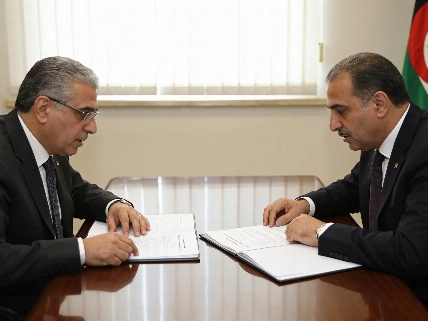
The Presidency of Mauritania has confirmed the appointment of new members to the Commission nationale des Droits de l'Homme, following a decree issued on Tuesday. This commission plays a central role in monitoring and advising on human rights issues within the country.
The newly appointed members are: Oumou Diagana, Tabara Mbodj, Moussa Ould Ghawi, Najim Ould Abhem, Mamadou Denba Ba, Loulou Ahmed Zerough, Tah Mohamed Ebnou, Navissa Mokhtar Al Masned, Sidi Abdallah Hamadi, Mame Mohamed Bekem, Rabi Cheikh Mboyrick, Afiti Mohamed El Alem, Aminetou Mohamed Mokhtar Yehtih, Barar Sidi Abdallah, El Mami Brahim Velan, Abdallah Saleh Lughman, Abdallah Cheikh Abd El Wedoud, Moustapha Mohamed Mahmoud Zoubeir, Mohamed Dah Abd El Kader, Haroune Traoré, Mohamed Salem Miyabi, Mohamed Beibacar Mbareck, Mohamed Lemine Mohamed Salem, Cheikh Mohamed Lemine Ahmedou, Roghaya Ly, and Sidi Mohamed Limam.
Institutional Renewal and Oversight
The Commission nationale des Droits de l'Homme is tasked with promoting and protecting human rights in Mauritania, providing recommendations to authorities, and engaging with international partners. The renewal of its membership is seen as an opportunity to strengthen its oversight and advisory functions at a time when institutional reforms are under scrutiny.
Context and Next Steps
This development comes as Mauritania continues to review the performance of its public institutions, including recent efforts in the health sector, as highlighted in the government's mid-year assessment of health sector operations in Assaba. The effectiveness of the new commission members will be closely watched, particularly regarding their ability to address ongoing human rights challenges and engage with both domestic and international stakeholders. Observers will monitor how the commission's renewed composition influences policy recommendations and the broader human rights environment in Mauritania.