
Mauritania's main opposition parties have called for independent investigations and accountability after repeated electricity and water outages in Nouakchott, highlighting systemic failures in public infrastructure management and demanding urgent government action.
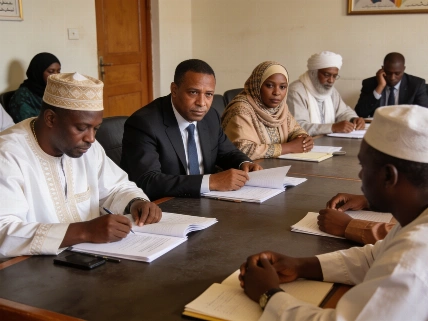
Several Mauritanian opposition parties have publicly demanded that the government launch independent investigations and hold officials accountable following a series of electricity and water outages in Nouakchott. The opposition argues that these repeated disruptions, which have also affected telecommunications, point to deeper structural weaknesses in the management of public infrastructure and essential services.
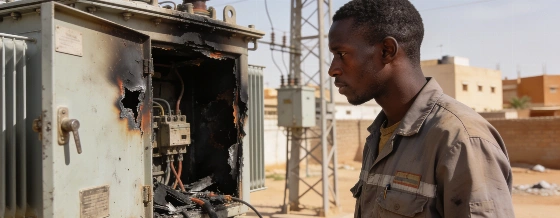
The latest wave of outages coincided with an ongoing crisis triggered by fires at two major electrical substations in the capital, which continue to impact power supply. The opposition's response comes amid growing public frustration, with parties warning that the situation cannot be explained solely by technical failures or isolated incidents.
Opposition Parties Call for Urgent Action and Transparency
The party "Tahrir" (Renouveau du mouvement démocratique) stated that the persistence and duration of the outages reflect shortcomings in planning, maintenance, oversight, and infrastructure management. Tahrir urged the government to implement emergency measures to restore services, conduct a transparent and independent inquiry into the substation fires, identify those responsible, and publish the findings.
Meanwhile, the "Tahadi" party called for a compensation mechanism for families, businesses, and traders affected by service interruptions, including losses of perishable goods and medicines. Tahadi placed political and administrative responsibility for the crisis on President Mohamed Ould Cheikh El Ghazouani, his government, and sector officials, and demanded a review of the "emergency programme for the modernisation of Nouakchott." The party also requested full disclosure of the funds allocated to the project and its progress, questioning the effectiveness of announced investments given the ongoing problems.
Broader Demands for Accountability and Sector Reform
In the telecommunications sector, opposition parties called on operators and regulators to explain the causes of recent internet and network disruptions and to ensure service stability, noting the growing dependence of citizens and businesses on digital connectivity.
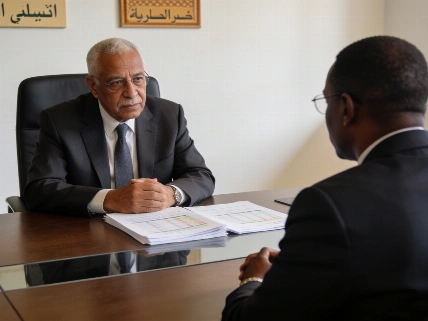
The Union des forces du changement, in a separate statement, accused authorities of failing to deliver sustainable solutions despite significant resources allocated to infrastructure. The Union demanded investigations into the causes of outages, fires, and procurement processes, and called for the dismissal and replacement of those deemed responsible. The party argued that the government's performance and the results of its "emergency" policies require accountability and corrective action within the constitutional and legal framework.
The Forces du salut party echoed these concerns, asserting that the electricity crisis is symptomatic of broader governance failures in public services. The party demanded that the government disclose the causes of repeated outages, the state of the electricity sector, and the resources invested, while taking urgent steps to stabilise supply and hold those responsible to account.
Public Pressure Mounts as Infrastructure Strains Persist
Residents of Nouakchott continue to face disruptions to essential services, with mounting calls for clarity on the causes and for those responsible to be identified. The crisis follows the fire that damaged two key substations in the capital, an event that has previously prompted urgent government responses, as reported in coverage of Mauritania's efforts to restore power after the Nouakchott substation fire. The opposition's demands for transparency and accountability reflect broader concerns about the effectiveness of public sector management and the need for systemic reform.