
After a fatal construction collapse in Maal, the Tewassoul party is pressing for sweeping reforms to Mauritania's building oversight, demanding rigorous technical and administrative controls to prevent further loss of life and property.
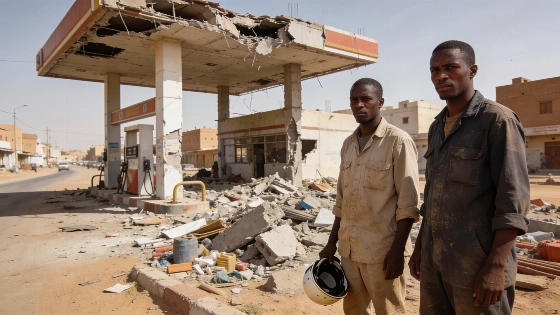
The collapse of a partially built service station in Maal has forced Mauritania's political class to confront the country's chronic failures in construction oversight. The incident, which resulted in deaths and injuries, has triggered a direct challenge from the opposition Parti du rassemblement national pour la réforme et le développement (" Tewassoul "), which is now demanding a fundamental overhaul of how building projects are regulated and monitored.
Opposition Pushes for Accountability and Reform
Tewassoul's leadership has issued a public call for the immediate introduction of robust technical and administrative controls on all construction projects, both public and private. The party insists that every stage of the building process must adhere to strict technical and urban planning standards, with mandatory verification of material quality and compliance with approved specifications. The party's statement leaves little room for ambiguity: any negligence that endangers lives or property must be met with zero tolerance.
Systemic Gaps in Oversight and Enforcement
At the heart of Tewassoul's demands is a recognition that Mauritania's current regulatory framework is failing to prevent recurring construction disasters. The party is calling for a comprehensive review of the legislative and regulatory environment, as well as the mechanisms of oversight and accountability. This includes compelling both supervisory authorities and project owners to implement effective safety and prevention measures, especially in high-risk facilities. The party's intervention echoes concerns raised in other sectors, such as the urgent need for infrastructure upgrades highlighted in recent reporting on Nouakchott's health system expansion.
Political Stakes and Public Pressure
By placing the blame squarely on regulatory failures, Tewassoul is positioning itself as the voice of public accountability in the wake of tragedy. The party's demand for a legislative overhaul is not just a technical matter-it is a direct challenge to the government's capacity to protect citizens and enforce standards. The party has also expressed condolences to the families of the victims and the wider Maal community, underscoring the human cost of regulatory lapses.
With public confidence in construction safety shaken, the government now faces a stark choice: either implement the sweeping reforms demanded by Tewassoul or risk further erosion of trust and more preventable disasters. The opposition's intervention exposes a pattern of institutional inertia that has allowed substandard practices to persist. Unless Mauritania's authorities move beyond rhetoric and deliver real regulatory enforcement, the cycle of tragedy and blame will remain unbroken-and the political cost will only grow.