
King Mohammed VI condemned Houthi attacks on Saudi Arabia and said the kingdom's security is closely tied to Morocco's. Saudi Arabia reported intercepting missiles and drones, while Houthi claims of strikes on Riyadh and energy facilities remained unverified.
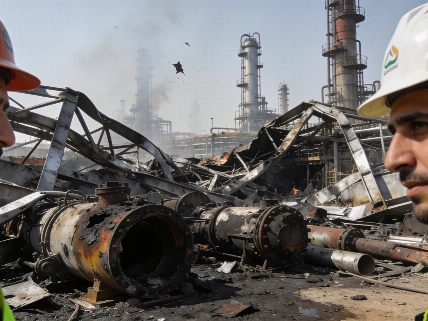
On September 24, Saudi Arabia said it intercepted six ballistic missiles headed toward Taif and the Yanbu area. The Houthis also claimed strikes on Riyadh and energy facilities. Those claims were not independently confirmed.
In telegrams to King Salman bin Abdulaziz and Crown Prince Mohammed bin Salman, King Mohammed VI said Saudi Arabia's security and stability, along with that of other Gulf Cooperation Council states, form an integral part of Morocco's security. He condemned attacks on civilian and economic facilities, critical infrastructure, cities and residential areas. The message set out diplomatic support. It did not announce a Moroccan military role or a new security arrangement.
Morocco's official news agency, MAP, is one channel for the kingdom's public communications. But the statement itself does not establish a treaty or disclose an operational response. That limit matters.
The Houthis seized Sanaa and several provinces in 2014. A Saudi-led coalition intervened in 2015 to support Yemen's internationally recognized government, as Reuters has reported. In the latest exchanges, the Houthis said they targeted a sensitive site in Riyadh, Saudi Aramco facilities in Yanbu and military sites in Jazan. Reuters reported that Saudi Arabia had not independently confirmed those claims. Riyadh had not immediately confirmed a strike on the capital or reported damage or casualties.
Two days later, the Saudi-led coalition said it intercepted two more ballistic missiles and two drones headed toward Khamis Mushait and Riyadh. It gave no further details, according to Reuters reporting. The incidents span the Red Sea coast and Saudi Arabia's northern and southern approaches. Interception reports do not show that facilities were hit or operations disrupted. The claims remain unverified.
Yanbu sits on the Red Sea, giving the claims an economic dimension. Threats to energy infrastructure or maritime corridors can raise concerns about shipping, insurance and regional energy security. The reporting cited here confirmed no disruption to Saudi production or exports. For Morocco and other Maghreb economies, the risk is indirect: possible volatility in energy markets and trade routes, rather than any confirmed impact on their own infrastructure.
Inside Saudi Arabia, the escalation has prompted forceful rhetoric. On September 25, Reuters reported that the kingdom's grand mufti urged troops to be prepared to sacrifice their lives in the fight against the Houthis. The UN human rights chief said civilians were bearing the brunt of the fighting. Reuters reported that three Houthi attacks on displacement sites in Marib between August 7 and September 9 killed five children. Civilians are paying too.
Mohammed VI's message signals diplomatic alignment with Saudi Arabia. It also presents Gulf stability as tied to Rabat's security interests. Based on the information available, it does not amount to a disclosed commitment to intervene. That distinction matters as claims about strategic sites circulate alongside official interception reports and continued civilian harm in Yemen.
Morocco has engaged with other regional crises, though each case is distinct. A separate report on Moroccan officers joining a Gaza stabilization force appears in another regional engagement.