
In messages to Saudi leaders, King Mohammed VI said attacks on civilian and economic sites and attempts against Mecca and Medina threaten Muslim holy places. Rabat says Saudi and Gulf security is inseparable from Morocco's own strategic interests.
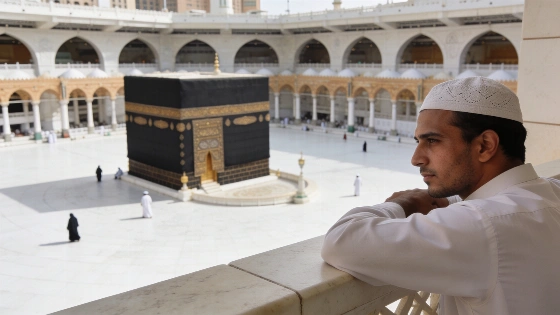
In messages to King Salman bin Abdulaziz Al Saud and Crown Prince and Prime Minister Mohammed bin Salman bin Abdulaziz Al Saud, King Mohammed VI said aggression against Mecca and Medina affronts the sentiments of more than 1.8 billion Muslims. Morocco's official news agency MAP reported the Royal Office statement.
The King said Saudi Arabia's security and stability, along with that of Gulf Cooperation Council countries, is inseparable from Morocco's own. The statement makes the diplomatic alignment clear. No new military or security commitment was announced.
The Royal Office said the attacks targeted civilian and economic facilities, vital infrastructure, cities and residential areas. Mohammed VI condemned them on Morocco's behalf. He said the Houthis and those who support, fund and arm them bear responsibility.
He described attempts against Mecca and Medina as especially grave. He called them an assault on Muslims and a violation of Islam's principles. His messages also referred to the historic, religious and strategic ties between Morocco and Saudi Arabia.
Reported attacks and interceptions form the regional backdrop. On September 24, Saudi air defences intercepted six ballistic missiles launched toward areas around Yanbu and Taif, according to Reuters' account of a Saudi-led coalition statement. The Houthis also claimed attacks on Riyadh and Saudi Aramco facilities in Yanbu. Reuters reported no direct confirmation of impacts in Riyadh and no reports of casualties. The claims and confirmed events are not the same.
Claims involving Yanbu's energy facilities added an economic dimension to the escalation. Attacks on energy infrastructure can raise concerns about vital assets and regional supply routes. Available reporting did not confirm damage to the Aramco facilities. On September 21, UN spokesperson Stéphane Dujarric condemned continuing cross-border Houthi attacks, including an attempted strike on Riyadh. He cited reported impacts on civilian and energy infrastructure in Saudi Arabia, as UN News reported.
On September 24, the GCC condemned the attempted attacks as a dangerous escalation and a violation of Saudi sovereignty. The next day, the UN Security Council condemned them in the strongest terms. It cited strikes on civilian and energy infrastructure and civilian injuries, including among women and children, according to an AFP report carried by Arab News.
Mohammed VI said the attacks violate international law. He cited UN Security Council Resolution 2216 (2015), which demands the withdrawal of militias, the handover of weapons and an end to violence. He also referred to Resolution 2722 (2024), which calls for an immediate halt to attacks against maritime navigation. In his view, attacks on civilians, economic infrastructure and holy sites violate international humanitarian law and should not go unpunished.
A previous report on Algeria's response noted that its statement about an attack linked to Mecca did not name the Houthis. Differences in public wording do not, by themselves, establish a wider policy shift or a change in regional coordination. Mohammed VI's messages leave no ambiguity about Morocco's attribution of responsibility in this case.
Rabat's statement directly links Saudi and Gulf security to Morocco's own strategic interests. It sets out a firm diplomatic alignment grounded in religious ties and international law. The UN and GCC responses show that concern about the attacks extends beyond the immediate parties. Condemnation is not the same as an operational commitment.