Morocco is preparing to exchange ambassadors with Israel and deepen economic ties, even as organizers report protests in at least 45 cities. The move tests Rabat's effort to maintain strategic ties while supporting Palestinians.
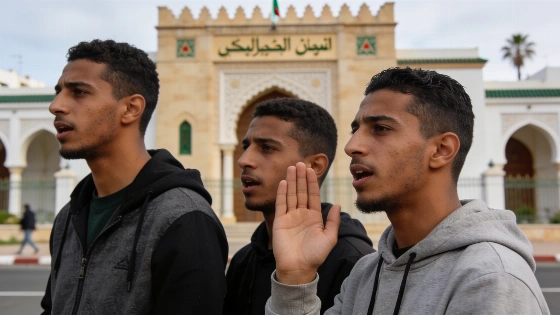
From Sept. 25 to 27, demonstrators took to the streets in several Moroccan cities. In Marrakech, they shouted, "No ambassador, no embassy." Organizers reported 76 events in 45 cities on Sept. 25. Rabat has not halted plans to exchange ambassadors or expand economic cooperation.
The next test is practical as well as political. The two governments agreed to work toward investment-protection and double-taxation agreements by the end of 2026. Neither is done. Israel has not named an ambassador for the planned embassy. The appointment could be left to the government formed after Israel's Oct. 27 election.
Moroccan Foreign Minister Nasser Bourita, Israeli Foreign Minister Gideon Sa'ar and US Ambassador to the United Nations Mike Waltz announced the upgrade in New York on Sept. 16. They said the countries would turn their liaison offices into embassies and appoint ambassadors. Morocco's foreign ministry, formally the Ministry of Foreign Affairs, African Cooperation and Moroccan Expatriates, was represented by Bourita. The ministry's official information portal sets out its institutional role.
The Moroccan Front for Supporting Palestine and Opposing Normalization called for protests after the announcement. The Moroccan Commission for Supporting the Nation's Causes said it organized 76 events in 45 cities on Friday, Sept. 25. In Rabat, demonstrators chanted against normalization outside Parliament. No serious disturbances were reported. Those figures come from organizers, not an independently verified count.
Morocco's state news agency, MAP, is the national wire service and carries official announcements and domestic news. The protest figures in this article are attributed to organizers. The Moroccan news agency MAP is a separate official-media reference.
Public opposition has not changed state policy. Independent reporting has described the embassy upgrade as part of a strategic line set by the palace and senior state officials, not a decision subject to party politics. Preparations for an exchange of ambassadors continue despite calls to stop normalization, close Israel's representation and end cooperation.
Yasmine Hasnaoui, a political scientist at Hassan First University in Settat, said Morocco permits demonstrations while keeping relations with Israel. She said Rabat sees that stance as consistent with its role as a mediator in the Palestinian-Israeli conflict. The kingdom restored formal relations in 2020 under the Abraham Accords. In the same diplomatic package, the United States recognized Moroccan sovereignty over Western Sahara. That link remains central to Rabat's strategic calculations and diplomacy in the Maghreb.
Einat Levi, who previously led economic and academic affairs at Israel's mission in Morocco, said the relationship was driven by the king and senior state officials, not party politics. She said the new diplomatic status would matter most if the governments put agreements on taxation, customs and trade into effect. Without those arrangements, she said, doing business between the countries remains less competitive than in other markets.
The economic stakes are clear. Commitments must become workable rules before companies can benefit. The two sides agreed to conclude an investment-protection agreement and an agreement to avoid double taxation by the end of 2026. The agreements are meant to provide a clearer framework for investment and cross-border business. The announcement did not say they had been completed or give investment volumes.
Public opposition is also tied to memory and politics. Moaz al-Hajri, national coordinator of the Front, called the Israeli liaison office's move to Mehdi Ben Barka Avenue in Rabat a provocation to Moroccans and to Ben Barka's memory. Ben Barka was an opposition leader who advocated limits on royal power and land reform. He disappeared in Paris in 1965. Israeli journalists have reported that Mossad helped Moroccan agents track him.
Morocco continues to voice support for Palestinians while engaging diplomatically with Israel. At the United Nations, Bourita defended UNRWA, criticized Israeli annexation proposals in the West Bank and condemned settler violence. King Mohammed VI chairs the Organization of Islamic Cooperation's Al-Quds Committee. Morocco has also pledged to send a military field hospital to Gaza.
A Gaza deployment report has covered Morocco's role in the US-backed Gaza mission. The two tracks coexist: Rabat maintains diplomatic ties with Israel and backs Palestinian institutions and humanitarian commitments.
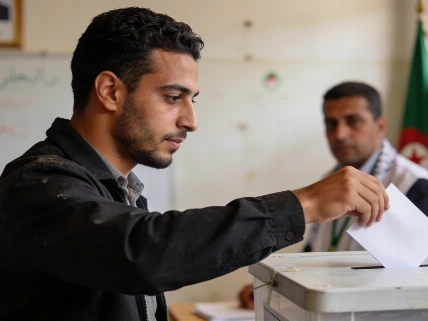
The embassy decision comes as Morocco faces political and social strain at home. Final parliamentary results gave the palace-aligned Authenticity and Modernity Party 97 of 395 seats. The National Rally of Independents won 66, Istiqlal won 65 and the Islamist Justice and Development Party won 54, up from 13 in 2021. Turnout fell to about 38%, down from about 50% five years earlier.
The PJD led the government when Morocco restored relations with Israel in 2020. Hasnaoui said the party opposed normalization outside government, but she did not link its election gains to the protest campaign. The party repeated its opposition to normalization and urged supporters to focus on the election campaign rather than turn the dispute into an institutional crisis. The king appoints the head of government from the party with the most seats. He also retains control over foreign policy, defense and religious affairs. He has not named the next head of government.
Hasnaoui also warned that Morocco's infrastructure ambitions are running ahead of improvements in daily life. The country has annual vehicle production capacity above 500,000, yet a 2025 survey found about 70% of households did not own a car. She pointed to youth frustration, recent protests and gaps in health and education as pressures facing the next government.
For Rabat, the embassy upgrade is a state-led commitment. It does not show that public opposition has faded. Its success will depend on whether the promised economic agreements are completed and whether the government can sustain its Palestinian commitments while managing domestic discontent. The protests carry a political cost.