Morocco's national team coach Mohamed Ouahbi has overhauled the Atlas Lions squad for the 2027 Africa Cup of Nations qualifiers, focusing on tactical balance, player adaptability, and club form. No player is assured a starting spot.
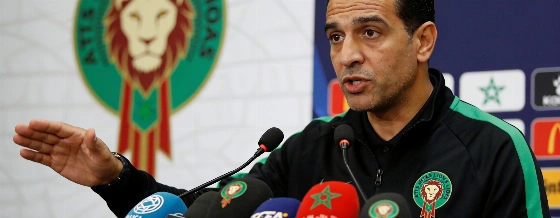
Morocco's national team coach Mohamed Ouahbi has made it clear: every spot on the Atlas Lions squad is up for grabs. For the 2027 Africa Cup of Nations qualifiers, Ouahbi has reworked the team, putting tactical balance and adaptability ahead of reputation. The new squad was announced at the Mohammed VI Football Complex in Salé on 17 September, drawing close attention from the Moroccan Press Agency (MAP) and regional sports media.
Ouahbi set the tone by stating that "no place is guaranteed for anyone," a message confirmed by Reuters and echoed in official statements. He pointed out that current form, club playing time, and tactical flexibility are now the main criteria for selection, in line with the Moroccan Football Federation's push for merit-based choices. This approach fits with broader reforms in Moroccan sports policy, as outlined by the Ministry of National Education, Preschool and Sports.
Squad changes and notable omissions
The 29-man list, published by the Royal Moroccan Football Federation, includes regulars like Yassine Bounou, Achraf Hakimi, Brahim Díaz, Azzedine Ounahi, and Ismael Saibari. But there's also a clear generational shift. Several young players-Soufiane El-Faouzi, Ali Maamar, Abdellah Ouazane, Yassir Zabiri, and Tawfik Bentayeb-have been called up, signaling a focus on renewal and building for the future. This move has been widely reported by Morocco World News and confirmed by the Tunis Afrique Presse (TAP).
One of the most talked-about absences is Sofyan Amrabat. Ouahbi addressed this directly, denying any personal conflict and explaining that Amrabat's limited club minutes and current form were behind the decision. He stressed that the door remains open for all players, and future performances will determine who returns. This has been consistently reported by both Reuters and the federation.
Ismael Saibari, now at Bayern Munich, stands out for his ability to play both as a No. 10 and as a centre-forward-versatility Ouahbi values. Saibari, however, will miss the opening qualifier due to suspension, which limits Morocco's attacking options. The inclusion of young talents like Abdellah Ouazane and Yassir Zabiri underlines the coach's commitment to fresh competition, as highlighted in recent coverage by the Algerian Press Service (APS).
Upcoming matches and tactical focus
The Atlas Lions begin their AFCON 2027 qualifying campaign against Gabon on Friday, 25 September, at the Prince Moulay Abdellah Stadium in Rabat, with kickoff at 7:00 p.m. Four days later, Morocco faces Lesotho at Toyota Stadium in Bloemfontein, South Africa, at 1:00 p.m. These dates have been confirmed by several independent outlets and are listed in the official federation calendar. A friendly against Ghana is also scheduled during the same international window, giving the team more chances to test new combinations.
Ouahbi's approach marks a break from past selection habits. By focusing on tactical fit and adaptability over established names, he's following a trend seen in top-level football. For Morocco, the stakes are high as the team looks to compete strongly in Africa. The coach's message that "the door is never closed" for excluded players keeps competition fierce and standards high, a point echoed in recent statements from the Confederation of African Football (CAF).
This overhaul comes as Morocco continues to invest in football infrastructure and talent development, as reported earlier. The country's football ambitions are closely tied to its broader strategy for national renewal and international competitiveness. These efforts reflect a wider Maghreb trend, with regional governments prioritizing youth development and sporting success as part of their economic and social goals.
Ouahbi's willingness to reward form over reputation sets a new tone for the Atlas Lions. If the squad can deliver the cohesion and flexibility he wants, Morocco could come out of these qualifiers with more than just points-a foundation for lasting progress in African football.