Morocco's outgoing coalition heads into the September 23 vote with expanded health insurance and water access, but persistent youth unemployment and household pessimism threaten to overshadow headline gains. The election will test whether capacity improvements can outweigh lived experience.
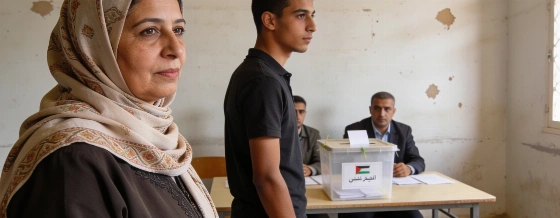
Morocco's three-party coalition heads into the September 23 election with a mixed record. Official figures show more people now have health coverage, water access has improved, and inflation has dropped sharply since the 2022-23 spike. But most households say their living standards have slipped, and few expect things to get better soon. The campaign, with 27 parties competing for 395 seats in the House of Representatives, is drawing close attention from the Maghreb Arab Press (MAP) and regional media, underlining the stakes for both Morocco and its neighbors.
This gap between what the state delivers and what people feel is now at the center of the race. The National Rally of Independents (RNI), Authenticity and Modernity Party (PAM), and Istiqlal can point to expanded health, education, and water infrastructure over their five-year term. But these gains have not translated into more confidence among households or better job prospects for young people. The High Commission for Planning, Morocco's official statistics office, notes that a change in methodology in early 2026 makes year-on-year comparisons tricky, but the main story remains: youth unemployment is high, and purchasing power is stuck.
Headline gains and hidden shortfalls
On the surface, the coalition can show progress. Mandatory health insurance coverage rose from 42 percent in 2021 to 88 percent in 2025, according to IMF data cited by Hespress. The number of doctors per 10,000 people increased from 7.38 to 8.65, and public university enrollment grew by over 40,000 students. Water access also improved, with the share of households connected to drinking water sources rising from 93 to 95 percent between 2021 and 2024, as Istiqlal's water ministry pushed desalination and dam projects to address drought. These results appear in communiqués from the Ministry of Equipment and Water and in reports by the UN Economic Commission for Africa (UNECA).
But these improvements have not changed public mood. The High Commission for Planning found that 87 percent of households said their living standards worsened in 2023, and over 90 percent expected they would not be able to save in 2024. Youth unemployment edged up from 36.7 to 37.2 percent, and women's unemployment reached 20.5 percent. The coalition's economic inclusion ministry rolled out new job programs and a cross-ministry roadmap, but the IMF still calls job creation Morocco's most urgent problem. RNI and PAM have both promised to create about 1 million jobs in the next term, with RNI also pledging to gradually raise the minimum wage to 5,000 dirhams per month, as reported by Reuters and in official campaign materials.
Inflation shock and fiscal response
The government managed the global inflation surge, with consumer prices peaking at 6.7 percent in 2022 before dropping to 0.7 percent in 2025, according to World Bank data. Bank Al-Maghrib's monetary policy and the Finance Ministry's expanded compensation spending-over DH40 billion in 2022-helped keep butane gas, sugar, and wheat flour prices in check. Public debt rose during the crisis, then eased, but lower inflation has not brought prices back down to pre-shock levels. The Ministry of Economy and Finance, working with the African Union's economic affairs division, has stressed the need for careful budgeting as Morocco tries to balance social spending with debt limits.
Health capacity improved, but service quality did not keep pace. Medical students boycotted classes and exams for much of 2024 over training conditions, and hospital protests in 2025 highlighted ongoing complaints about wait times, medicine shortages, and equipment gaps. More people have coverage, but many still do not get the care they expect, a point the Ministry of Health and Social Protection has acknowledged in recent statements.
Water stress and unresolved risks
Water remains a weak spot. While more households have access, agriculture still uses 88 percent of Morocco's freshwater, and low water prices encourage overuse. The government sped up desalination projects at Chtouka Ait Baha, Jorf Lasfar, and Casablanca, but issues like pricing, groundwater depletion, and wastewater reuse are still unresolved, as the OECD notes in findings cited by Hespress. The Ministry of Equipment and Water has outlined further plans in an official decree, but gaps in implementation remain.
As the campaign heats up, 27 parties are competing for 395 seats-305 elected locally and 90 reserved for women on regional lists. The king will appoint the head of government from the party that finishes first, as in 2021 when RNI led the coalition. The Islamist movement Al-Adl wal-Ihsan has called for a boycott, arguing that elected institutions lack real power. The Algerian Press Service (APS) and Tunis Afrique Presse (TAP) have both noted the regional impact of Morocco's election, especially for Maghreb integration and cross-border cooperation.
Morocco's election now turns on the gap between what the state has built and how people actually feel. Each coalition party can campaign on real improvements, but none can ignore the data showing most households remain pessimistic. Rival blocs are making bigger spending promises, but the coalition's experience shows that building capacity alone has not restored public trust. The next government will inherit a country with more infrastructure, but for most Moroccans, daily life has not changed much-and that is the challenge facing Morocco's political class.