
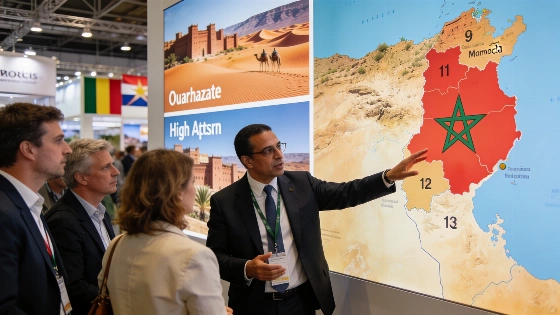
Morocco has introduced a new approach to tourism, focusing on spreading visitors across all 12 regions and updating infrastructure. The plan, presented in Paris, is designed to create jobs and raise Morocco's international profile ahead of 2030 targets.
Morocco is shifting its tourism strategy with an eye on 2030, moving away from its usual focus on well-known destinations. At the IFTM Top Resa trade show in Paris, the Moroccan National Tourism Office (ONMT) presented a new marketing approach for the French market, reflecting the country's ongoing partnership with France, its main tourism source. The Moroccan government noted that a session with French media was held just before the event, which took place from September 15 to 17, 2026, to highlight the importance of this relationship (official government update).
The new plan shifts attention to less-visited places like Ouarzazate, the Sahara, Dakhla, and the High Atlas. The ONMT wants to spread tourist numbers more evenly across all 12 regions, rather than concentrating on Marrakech and the Atlantic coast. This is meant to balance visitor numbers and revenue, and to ease pressure on the busiest destinations. According to the Moroccan Press Agency (MAP), these efforts are part of a larger plan to make sure tourism growth reaches inland and southern areas.
Growth driven by European markets and better connections
Recent figures show steady growth. In the first half of 2026, Morocco saw a 6% rise in tourist arrivals and a 16% increase in tourism revenue, mainly thanks to European visitors and improved air links. By the end of August 2026, 14.1 million tourists had visited the country, up 4.5% from the previous year, and tourism brought in 79 billion dirhams by July. France remains the largest source of visitors, with Moroccan airports handling 22.28 million passengers in the first seven months of the year-an 8.77% increase, according to ONMT and regional outlets like Le Nouvelliste and Morocco Tourism Today.
Modernizing hotels, airports, and transport is a key part of the plan. These upgrades are underway to prepare for more visitors by 2030. The strategy also looks at how increased tourism will affect popular spots like Marrakech and aims to manage this by promoting other regions. The Ministry of Tourism, Handicrafts, and Social and Solidarity Economy says these investments fit with Morocco's Vision 2030 and the national plan for sustainable tourism, as outlined in recent statements from MAP and the Ministry of Foreign Affairs.
Tourism as a source of jobs and global presence
Morocco's goals for tourism go beyond economic growth. The sector is expected to create jobs, support regional development, and raise the country's international profile. The official plan for 2023-2026 aims for 17.5 million visitors a year, 200,000 new direct and indirect jobs, and 120 billion dirhams in foreign currency earnings by the end of 2026, according to figures from Travel and Tour World and the ONMT. The plan also supports Morocco's energy transition goals, bringing sustainability into tourism, in line with regional policies from the African Union and the UN Economic Commission for Africa (UNECA).
This shift in Morocco's tourism approach comes as other North African countries, including Tunisia and Algeria, are also working to broaden their tourism sectors and attract international investment, as reported by Tunis Afrique Presse (TAP) and Algérie Presse Service (APS). The region is becoming more competitive, and Morocco is looking to stand out.
For those following North Africa's economic changes, Morocco's move fits into a wider trend of diversification and modernization, as reported earlier in the context of the country's domestic reforms.
Morocco's new tourism plan is clear: develop new destinations, invest in infrastructure, and use tourism as a tool for national growth. If these goals are met, Morocco could change its tourism landscape and set an example for others in the region trying to balance growth, sustainability, and international appeal.