
Morocco's Left Alliance has launched a $53 billion election program promising 431 measures, including a unified minimum wage and expanded social support, as rival parties escalate spending pledges ahead of the 2026 parliamentary elections.
Morocco's political opposition has detonated the country's pre-election landscape with a $53 billion proposal that promises to upend the status quo. The Left Alliance, a coalition of the Democratic Federation of Left Forces and the Unified Socialist Party, has staked its claim on the 2026 parliamentary elections by unveiling a 431-point program that would overhaul wages, social support, and public services over five years.
The centerpiece: a unified net minimum wage of 5,000 dirhams per month for all sectors by 2029, a move that would redraw the line between Morocco's working poor and the middle class. The plan also pledges a one-off payment to mothers giving birth in public hospitals and monthly stipends for unemployed graduates, people with disabilities, and pensioners without existing benefits. Direct social support would rise to 39 billion dirhams annually, with education and healthcare budgets swelling to 70.9 billion and 80.2 billion dirhams respectively.
Fiscal engineering and the battle for credibility
Unlike previous cycles of campaign largesse, the Left Alliance claims it will fund its ambitions not by piling on new debt, but by rebalancing the tax system. The bloc proposes raising the tax burden to 25.8% of GDP, slashing unjustified tax breaks by 39%, and keeping public debt below 63% of GDP. The budget deficit, they insist, would remain capped at 4%. The program's architects argue that these measures would not only finance expanded social spending but also restore fiscal discipline-a claim that will face intense scrutiny as the campaign heats up.
Energy policy is not left untouched. The Alliance wants the state to acquire the dormant Samir oil refinery, aiming to restart domestic fuel production and cut pump prices by up to 5 dirhams per liter. This interventionist approach signals a sharp break from the current government's market-driven stance and could reshape Morocco's energy landscape if implemented.
Rival parties escalate the spending race
The Left Alliance's announcement has triggered a competitive escalation among Morocco's major parties. The Authenticity and Modernity Party (PAM) has countered with a 350 billion dirham ($37 billion) program, promising to create at least one million net jobs by 2031-conditional on 5% annual economic growth. The Party of Progress and Socialism (PPS) has gone even further, projecting 575 billion dirhams in new spending and 622 billion in fresh revenue, though it has yet to clarify how these funds would be raised. Each party is now under pressure to justify both the scale and the credibility of their promises, with voters and analysts alike demanding hard evidence rather than campaign theatrics.
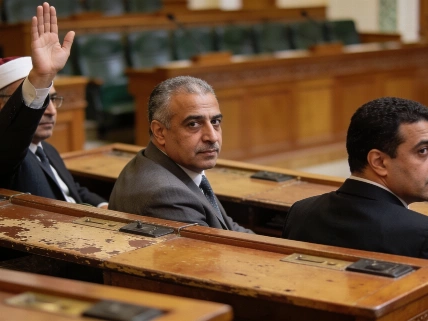
Securing a parliamentary majority will require at least 198 seats out of 395. The National Rally of Independents, led by Prime Minister Aziz Akhannouch, currently holds 102 seats and is campaigning on its record in government. Election oversight is set to be robust, with 3,006 accredited observers from NGOs, the National Human Rights Council, and international organizations, plus an additional 1,700 independent monitors from the Associative Coalition for Election Observation.
Strategic stakes and the regional context
This wave of spending pledges comes as Morocco's political class faces mounting pressure to address inequality, youth unemployment, and the rising cost of living. The scale of the Left Alliance's program dwarfs previous proposals and signals a shift toward more interventionist economic policy. The move echoes broader debates across Africa about the role of the state in correcting market failures-a theme explored in a recent analysis of Africa's push for greater global recognition and economic agency.
With the 2026 elections still more than two years away, the real test will be whether any party can translate these headline-grabbing promises into actionable policy without destabilizing Morocco's public finances. For now, the Left Alliance has succeeded in forcing the conversation onto its own terms, daring rivals to match its ambition or risk being left behind. The coming months will reveal whether this is a genuine blueprint for social transformation or simply the opening salvo in a high-stakes bidding war for power. What is clear is that Morocco's political and economic future is now firmly on the ballot-and the stakes have never been higher.