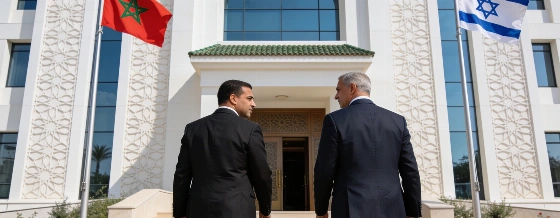
Morocco and Israel have agreed to upgrade their diplomatic missions to embassies and exchange ambassadors, moving ahead with US-backed normalization even as the Gaza conflict draws criticism across the region.
Morocco and Israel plan to upgrade their diplomatic missions to full embassies and exchange ambassadors, pushing their normalization process forward despite the ongoing war in Gaza. The announcement came on 16 September 2026 after a meeting in New York between Moroccan Foreign Minister Nasser Bourita and Israeli Foreign Minister Gideon Sa'ar, with US Ambassador to the United Nations Mike Waltz also present. The Moroccan Ministry of Foreign Affairs confirmed the agreement, as reported by Reuters and the Maghreb Arab Press (MAP).
This is the most significant step since Morocco and Israel restored ties in December 2020 under the Abraham Accords, which were brokered by the United States. Until now, both countries operated only liaison offices in Rabat and Tel Aviv, without ambassadors. Media outlets such as Xinhua and Morocco World News noted that while Israeli officials quickly announced the deal, Morocco did not issue a separate public statement right away, highlighting the political sensitivities involved.
Embassy plans and new agreements
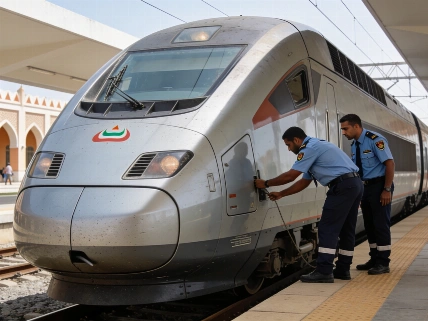
Under the agreement, Morocco and Israel will convert their liaison offices into embassies and appoint ambassadors, raising their diplomatic engagement to the highest level. They also plan to restore and expand direct air links, arrange high-level visits, and finalize economic agreements on investment protection and double taxation. According to the official statement, these steps are expected before the end of 2026, with investment and tax deals targeted for completion by year-end. The Moroccan Ministry of Economy and Finance has previously pointed to the potential for increased trade, which reached over $180 million in 2025. The new agreements are expected to boost commercial activity further.
Direct flights are set to increase, including more routes operated by Royal Air Maroc. The United States continues to play a central role in supporting the Abraham Accords, with Waltz describing the latest agreement as another step in the normalization process. The Tunis Afrique Presse (TAP) agency has noted that similar normalization efforts in the region have often included US-backed economic incentives and infrastructure projects.
Regional tensions and criticism
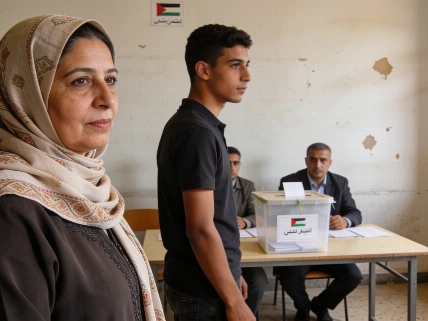
This diplomatic move comes as Israel's war in Gaza draws widespread international criticism over civilian casualties and destruction. For many Palestinians and critics of normalization, the timing of the embassy upgrade is controversial, raising concerns that Arab-Israeli ties are advancing while the Palestinian issue remains unresolved. Palestinian leaders have warned that normalization could weaken the longstanding Arab position linking closer relations with Israel to an end to occupation and the creation of a Palestinian state. The African Union's Peace and Security Council has also called for renewed efforts to address the root causes of conflict in the region.
The embassy upgrade has not yet been implemented-missions have not opened as embassies, and ambassadors have not taken up their posts. The agreement is a commitment to raise diplomatic representation, but practical steps are still pending. According to MAP, both countries have pledged to continue cooperation in trade, tourism, water management, agriculture, energy, and regional security.
Economic and strategic impact
The planned agreements on investment protection and double taxation are aimed at deepening commercial ties. Expanded air links and high-level visits could further increase business and tourism between the two countries. Morocco now joins the United Arab Emirates and Bahrain, which have also normalized relations with Israel under the Abraham Accords. Bilateral trade terms were ratified in an official ministerial decree from the Moroccan Ministry of Economy and Finance.
While Morocco moves closer to Israel, the broader regional debate over normalization is shaped by the fallout from the Gaza conflict. The decision to formalize relations at this time will test Rabat's ability to balance its diplomatic goals with domestic and regional concerns. Algeria's APS news agency has reported that neighboring countries are watching closely, with some expressing concern about the impact on Maghreb unity and the Arab League's position.
For those following North African diplomacy, the timing of this development is notable. As previously reported, other Maghreb states are also adjusting their foreign partnerships, but Morocco's move with Israel stands out given the ongoing conflict and unresolved Palestinian issue. If fully implemented, the embassy upgrade will mark a new phase in Morocco-Israel relations, opening economic opportunities but also drawing scrutiny from domestic and regional actors. Whether these diplomatic ambitions can withstand the pressures of a region still shaped by conflict remains to be seen.