
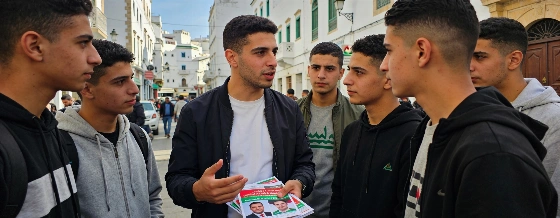
Hamza El Kharroubi, 28, is leading the new Environment and Sustainability Party in Tetouan. He wants to turn Gen Z protest energy into votes as Morocco's youth push for real change in jobs, healthcare, and housing ahead of the 2026 parliamentary elections.
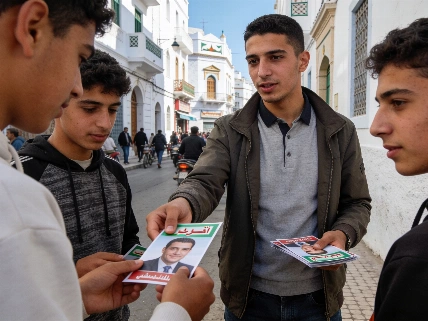
Morocco's old political order is facing a direct challenge from a new generation. Hamza El Kharroubi, 28, is out on the streets of Tetouan, trying to bring Gen Z's demands into parliament. He founded the Environment and Sustainability Party. The party is betting that the energy from recent youth protests can turn into votes and seats in the House of Representatives. This push comes as youth-led movements across North Africa use digital platforms to organize and make their voices heard. The Moroccan state news agency MAP and other regional outlets are watching these changes closely.
This campaign stands out for its blunt focus on the problems that have sent young Moroccans into the streets: broken public healthcare, gaps in education, joblessness, and the rising cost of living. The spark was a wave of protests that broke out on September 27, 2025, after eight women died following Caesarean deliveries at a public hospital in Agadir. That tragedy became a rallying cry for anger over public services. Protests spread fast. The UN Economic Commission for Africa (UNECA) says Morocco's youth unemployment rate is still among the highest in the Maghreb. This has made social tensions worse and fueled calls for reform.
Youth mobilisation moves from streets to ballots
GenZ 212, a youth movement that started online on Discord, TikTok, and Instagram, has now pushed its agenda into formal politics. The group's loose structure and digital skills echo what's happening in Tunisia and Algeria, where young people also use social media to get around old party systems. Recent APS (Algeria Press Service) reports have tracked these trends. El Kharroubi and his supporters want to turn protest energy into votes, hoping this will force real changes in healthcare, education, and jobs.
The numbers show a sharp generational split. Morocco has 15.8 million registered voters, but only about four percent are aged 18 to 24. People 60 and older make up more than 29 percent. The Ministry of Interior's official voter rolls confirm this gap. Youth candidates face an uphill fight. The 2026 parliamentary elections are set for September 23. These elections will show if the surge in youth activism can actually shift power, or if it stays mostly online. The campaign period ended at midnight on September 22, following rules from the Moroccan Ministry of the Interior.
Parties scramble to capture discontent
The official campaign ran from September 10 to September 22. Established parties are now racing to win over young voters with promises of jobs and affordable housing. The Justice and Development Party (PJD) saw its seats in parliament collapse from 125 to just 13 in 2021. Now it's trying to claw back support. But many young Moroccans who protested in the streets don't trust the old parties and are still turned off by formal politics. The government says it knows urgent reforms are needed. The Ministry of Economic Inclusion and Small Business has pointed to new programs aimed at youth unemployment and social gaps.
Youth frustration in Morocco goes beyond local issues. The Ceuta migrant crisis and ongoing economic hardship have made things worse, especially for those who see no future at home. The stakes are high. In 2021, voter turnout barely topped 50 percent. The 2026 vote is seen as a test of whether new political forces can break old patterns of disengagement. TAP (Tunisia Afrique Presse) has reported on similar youth-driven shifts in Tunisia, showing that these changes matter across the Maghreb.
As parties ramp up their promises, the size of proposed reforms is growing. The Left Alliance, for example, recently announced a $53 billion social reform plan, as reported earlier. This puts pressure on all parties to deliver real results. Morocco's Ministry of Health has also announced new spending on hospital infrastructure to fix the deep problems that sparked last year's protests. Both domestic and international observers, including the African Union's North Africa Regional Office, are watching these moves closely.
What to watch as election day approaches
At least three people died during the October 2025 unrest. The memory of the Agadir hospital tragedy is still fresh. Morocco's political system is under real pressure. The Environment and Sustainability Party's campaign in Tetouan is a test of whether Gen Z's digital organizing can shake up the country's election math. Official statements from the Moroccan Ministry of Foreign Affairs have called for peaceful participation and respect for democratic rules as the vote nears. For more updates on the election process, readers can check the Moroccan government portal.
The 2026 parliamentary elections will show if Morocco's youth are ready to turn protest into power, or if the old guard will keep control. The results will shape not just parliament, but also the direction of policy on jobs, healthcare, and social fairness. If the new generation's demands are ignored, the risk is not just apathy but more unrest. The coming weeks will reveal if Morocco's political class can face a demographic shift it can't ignore any longer.