Mauritania's government has deployed joint inspection teams across Nouakchott to enforce newly fixed red meat prices and curb speculation, safeguarding household purchasing power amid mounting cost-of-living pressures.
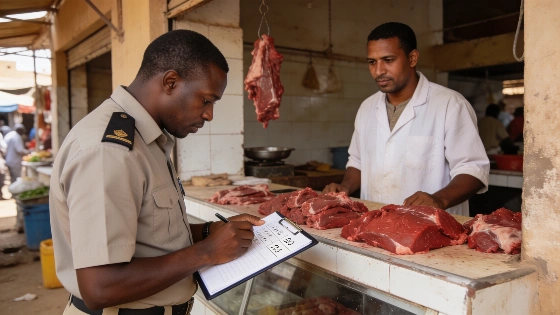
Government inspectors fanned out across Nouakchott's butcher stalls and meat counters this week to ensure red meat is sold at newly mandated prices. Officials say violations will trigger legal action, with no tolerance for price gouging or speculative markups.
The campaign aims to shield consumers from rising food costs. The Ministry of Commerce, the Ministry of Tourism and the Ministry of Livestock have joined forces to deploy teams across every district of the capital. Their task is to verify that vendors observe the red meat price ceiling, set after negotiations with sector stakeholders.
Government's Regulatory Push and Market Impact
The price controls follow a formal government decision to cap meat prices in Nouakchott, with the stated aim of stabilising the market and preventing sudden shocks to household budgets. Yahya Boba Taleb, Secretary General of the Ministry of Commerce and Tourism, said the approved prices resulted from broad consultations with the Ministry of Livestock and basic actors in the meat supply chain. Inspectors are checking price tags and looking for speculation or abuse that could disrupt market order.
Taleb said the campaign aims to restore balance to a market where consumers have often borne the brunt of unchecked price hikes, rather than single out vendors for enforcement. He emphasised that authorities would not overlook any infraction and that offenders would face the full weight of existing laws and regulations.
Continuous Oversight, Not a One-Off Blitz
Officials say the campaign will continue beyond an initial crackdown. It is part of a broader, ongoing system of market oversight, with regular monitoring promised to ensure lasting price stability. The government says protecting consumer interests is now a permanent fixture of market governance, replacing sporadic enforcement.
This regulatory push echoes consumer protection efforts elsewhere in the region. Algerian consumer groups have also pressed for reforms to shield households from sudden cost spikes in impressive goods and services, as reported earlier.
With food inflation weighing on household budgets, the government's response to market abuses will be measured by the prices displayed in butcher shops. If enforcement is sustained and impartial, the campaign could mark a turning point in Mauritania's approach to market regulation. Otherwise, it risks becoming another fleeting gesture in the effort to protect ordinary citizens' purchasing power.