
A joint-venture bid has been selected for work on the Béni Moussa irrigation network in Morocco's Tadla region. Rubicon Water's proposed technology share is estimated at about A$12 million, but the contract remains unsigned and formal execution is expected only after the 15-day appeal period.
The Office Régional de Mise en Valeur Agricole du Tadla (ORMVAT) selected a joint-venture bid for a 69,600-hectare irrigation perimeter in Morocco's Tadla region. Rubicon Water's estimated share of the bid is A$12 million in technology. That is not the full project value. The contract is unsigned. Reuters reporting says formal conclusion is expected after the tender's 15-day appeal period.
Selection moves the procurement forward, but contract execution and commissioning still lie ahead. Rubicon's Spanish and Moroccan partners submitted the bid as a joint venture. As of 28 September 2026, available reporting confirms the tender selection, not a signed contract, the start of work or final terms announced separately by ORMVAT.
Modernising canals built in the 1950s
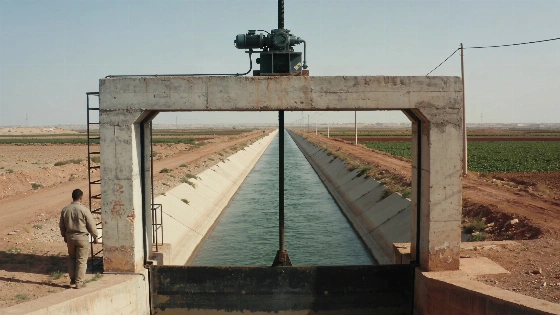
The project covers the main canals serving the Béni Moussa irrigation perimeter in Tadla. The network's infrastructure has been in operation since the 1950s. Around 27,000 hectares have already been converted, or are being converted, from traditional gravity irrigation to pressurised drip systems. That shift creates a need for more precise canal controls. Water deliveries must respond to changing needs across the network.
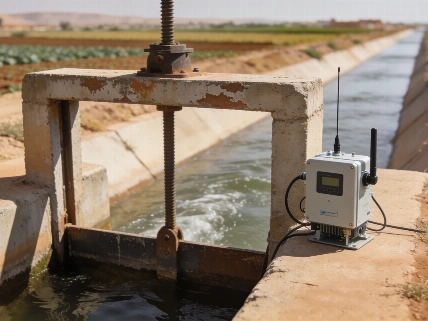
The proposed package includes Total Channel Control technology, automated regulation gates, communications infrastructure and the NeuroFlo software platform. These components are designed to monitor water levels and flows in real time and support automated canal operations. The test will come after installation. Selection alone does not show whether the controls will improve water delivery.
This is a Moroccan agricultural-infrastructure procurement administered by ORMVAT, not a bilateral accord or regional diplomatic agreement. Morocco's national news agency, MAP, is among the country's public channels for reporting on national developments. The award status described here, though, comes from available Reuters and Dow Jones coverage.
A potential regional reference
Rubicon says that, if signed and carried out, the contract would be its largest in EMEA and its second-largest single contract outside Australia. Chief executive Bruce Rodgerson linked Tadla to five major incremental opportunities worth a total of A$47 million. The company classified them as Close in its FY26 results presentation. The Canalone contract, awarded in late August, was another of those opportunities. Dow Jones Newswires has also described the Moroccan project as a potential major contract, not a completed award.
North Africa has other infrastructure projects under way. Algeria's Annaba port expansion targets phosphate exports. Tadla's focus is an agricultural water network. The projects involve different sectors and countries. The comparison is about infrastructure investment, not evidence of a shared programme.
According to the company's announcement, Rubicon's proposed share would be denominated in euros and include secure payment terms. Those terms remain subject to the joint venture moving from selected-bid status to formal execution after the appeal window. The estimated A$12 million covers Rubicon's technology portion of the bid, not necessarily the total value of the works.
Execution is the next test
If the project is contracted and commissioned, Tadla would give Rubicon a reference installation in Morocco and North Africa. The company is also pursuing other opportunities to modernise large gravity-fed irrigation systems. The procurement result is substantial, but execution and commissioning remain the decisive milestones.
For regional water infrastructure, the practical question is whether better canal controls can support the shift to pressurised irrigation. Selection alone cannot deliver that benefit. Tadla could open a door for Rubicon in North Africa. Its value will be clear only after the contract is signed and the system is operating.