
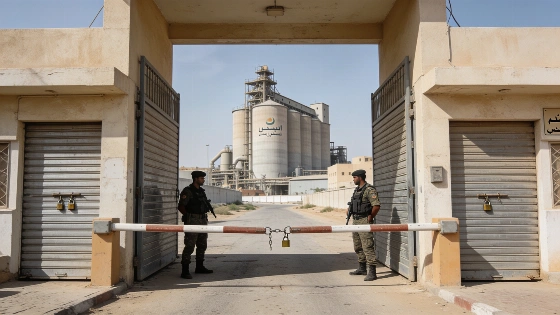
Libyan security forces have closed the state-owned Ahlia Cement company's plants in Zliten and Khoms, amid conflicting reports of corruption and market manipulation, raising concerns over cement supply and governance in the sector.
Libyan security forces have forcibly closed the Ahlia Cement company's plants in Zliten and Khoms, escalating tensions within the country's strategic cement sector. The move comes amid conflicting accounts regarding the motivations behind the shutdown, with both corruption allegations and claims of market manipulation at the centre of the dispute.
According to some reports, Force 112, linked to the Joint Operations Force, and Force 77, were responsible for closing the headquarters of the National Cement Company, as well as the Libda, Al-Marqab, and Arabiya Zliten cement plants. Employees were expelled and denied entry, reportedly after the company's chairman and CEO refused to halt the allocation and distribution of cement to their own private companies, allegedly amounting to over 60 truckloads daily. These actions have fuelled suspicions of corruption in the management of cement distribution.
Conflicting Narratives and Market Impact
Alternative accounts suggest that an armed group from Misrata stormed the cement company's headquarters with the intention of seizing cement order reservations and selling them on the open market at prices up to five times higher than the official rate. The cement sector in Libya has long been plagued by allegations of deep-rooted corruption, with locally produced cement often retailing at prices equal to or exceeding those of imported alternatives.
Strategic Consequences for Libya's Construction Sector
The closure of these plants is likely to disrupt cement supply in key regions, potentially impacting construction activity and infrastructure projects. The episode highlights persistent governance challenges in Libya's state-owned enterprises and underscores the vulnerability of critical supply chains to both internal mismanagement and external intervention. The situation also raises questions about the effectiveness of regulatory oversight and the broader implications for market stability in Libya's construction materials sector.
It remains unclear how long the closures will persist or what measures authorities may take to restore operations and address the underlying issues. Stakeholders in the construction and infrastructure sectors will be closely monitoring developments for signs of resolution or further escalation.