
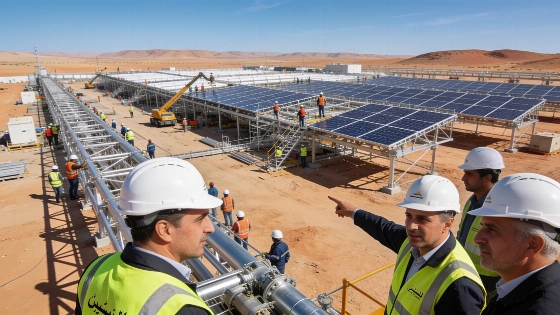
Synhelion has signed a memorandum with Morocco to develop a $1 billion Sun-to-Liquid plant in Tan-Tan, aiming to produce 100,000 tonnes of renewable synthetic fuel each year and strengthen Morocco's position in the global clean fuels sector.
Morocco is set to host one of the world's largest synthetic fuel projects as Synhelion prepares to bring its Sun-to-Liquid technology to industrial scale with a planned $1 billion facility in the southern province of Tan-Tan. On 8 September 2026, Synhelion and several Moroccan government agencies signed a memorandum of understanding (MoU) for the project, which is still in the development phase. This was reported by Morocco World News and confirmed by the Moroccan News Agency (MAP).
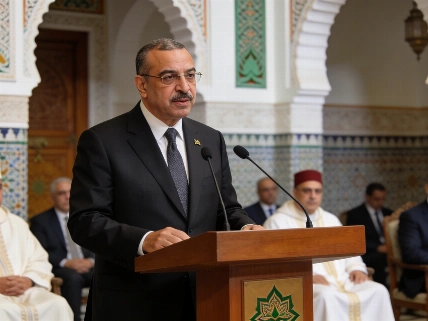
The agreement involves the Ministry of Industry and Trade, the Ministry of Energy Transition and Sustainable Development, the Ministry of Investment, Convergence and Evaluation of Public Policies, and the Moroccan Agency for the Development of Investments and Exports (AMDIE). Minister Karim Zidane, who oversees investment and public policy evaluation, described the deal as part of Morocco's push to attract innovative, high-impact projects. The government sees this as a step toward combining sustainability, industrial growth, and technological progress in the Maghreb.
Synhelion has already secured a site in Tan-Tan and set up a local subsidiary, Synhelion Morocco, moving the project from early analysis to active preparation. The planned plant is designed to produce up to 100,000 tonnes of renewable synthetic fuels per year-including kerosene, diesel, and gasoline-that can be used in existing engines and fuel systems. This output would be much larger than current pilot projects in North Africa and could make Morocco a regional leader in clean fuel production, according to data from aeroTELEGRAPH and regional energy bulletins.
At the heart of Synhelion's process is the use of concentrated solar energy to convert biomethane, CO₂, and water into syngas, which is then refined into liquid fuels. This approach is especially relevant for sectors like aviation and shipping, where electrification is not yet practical. The company's thermal-energy storage system is designed to smooth out fluctuations in solar supply, allowing for continuous, industrial-scale production. Regional energy authorities and international groups, including the UN Economic Commission for Africa (UNECA), are watching the technical rollout closely.
Morocco's push for renewable synthetic fuels fits into its broader strategy to become a center for green industries and clean energy exports. The country's investments in solar and wind have already drawn international attention, and the Synhelion project is expected to encourage further technology transfer and skilled job creation. This direction matches recent government policy and bilateral agreements published by the Ministry of Energy Transition and Sustainable Development, and is regularly covered by official news sources such as MAP and the Maghreb Arab Press.
Although the MoU is a significant diplomatic and industrial step, the project still needs regulatory approval, financing, and technical validation before construction can begin. The involvement of several ministries and the creation of a local subsidiary show a strong commitment, but moving from development to building will require ongoing coordination. For Morocco, a successful launch would strengthen its reputation as a destination for climate-focused investment and industrial change. For Synhelion, it would be a chance to demonstrate its technology at scale. Updates on regulatory progress and investment are expected from the Ministry of Industry and Trade and regional economic agencies.