
Libya's Tripoli government has completed final preparations to launch the Greater Tripoli Master Plan, aiming to address urban expansion, infrastructure, and land use with support from an international consortium. The project seeks to improve quality of life and attract investment.
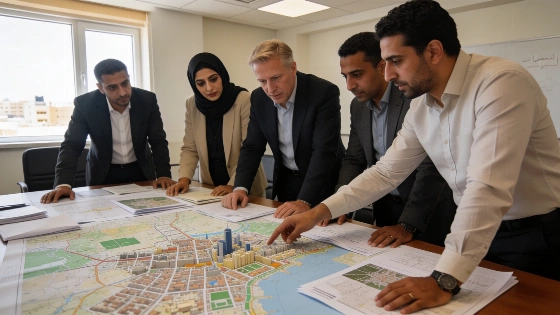
The Tripoli government has confirmed that all regulatory approvals and procedural steps have been completed for the launch of the Greater Tripoli Master Plan, a major urban development initiative targeting the Libyan capital and its surrounding areas. Mustafa Al-Manea, head of the Executive Team for Strategic Initiatives and Projects, led a meeting with the international consortium responsible for preparing and implementing the plan.
The consortium includes international companies and consultancies from the United States and United Kingdom, such as GCCI, Cedar, EY, Woolpert, and Merrett, alongside specialists in urban planning, engineering, and project management. Their involvement is intended to ensure the project meets international standards and delivers practical, implementable outcomes.
Project Scope and Implementation Strategy
The meeting focused on technical and organisational arrangements for the project's implementation, including the methodology, phased approach, and mechanisms for assessing Tripoli's current urban situation. Coordination with relevant Libyan national entities was also discussed to facilitate effective execution.
The Greater Tripoli Master Plan aims to address the challenges of rapid urban expansion, regulate land use, enable new residential developments, and upgrade infrastructure and transportation networks. The plan is also designed to enhance public services, support economic development, and preserve the historical identity of Tripoli.
Strategic Significance and Next Steps
Officials emphasised the importance of adhering to a scientific methodology and international best practices to ensure the plan responds to the city's needs and priorities. The project is expected to improve quality of life, attract investment, and support sustainable urban growth in the Libyan capital.
With preparatory work now complete, the next phase will involve the commencement of project implementation, with ongoing coordination between the international consortium and Libyan authorities. The progress of the plan will be closely watched as a test of Libya's capacity to deliver large-scale urban regeneration amid ongoing political and economic challenges.