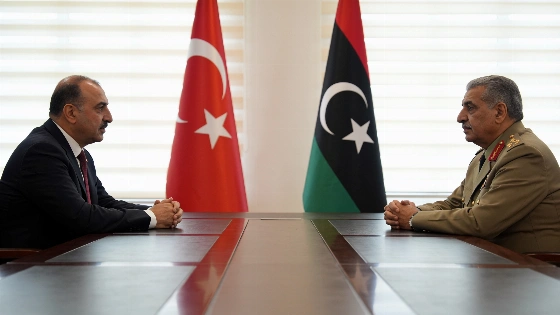
Turkey is now engaging directly with Khalifa Haftar after years of backing his rivals, seeking to entrench its interests in both eastern and western Libya as Washington pushes for a unified government. The move signals a new phase of competitive diplomacy and economic positioning.
Turkey's Libya playbook has been rewritten. After years of military support for Tripoli against Khalifa Haftar's eastern forces, Ankara is now negotiating directly with the man it once helped repel. The shift is not about reconciliation for its own sake-it is about securing Turkish interests as Libya's fractured landscape enters a new phase of external competition and elite bargaining.
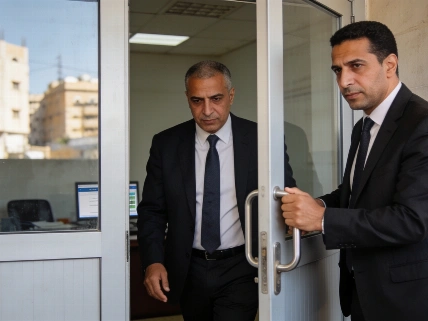
Foreign Minister Hakan Fidan's August visit to Benghazi, where he met Khalifa Haftar, his son Saddam, and senior eastern officials, marked a dramatic reversal. Just a day earlier, Fidan was in Tripoli with Prime Minister Abdul Hamid Dbeibah. This dual-track diplomacy is Ankara's answer to a Libya where old dividing lines are blurring and outside powers are racing to lock in their positions before any new settlement.
Turkey's new strategy in a divided Libya
Six years ago, Turkish drones and military advisers helped halt Haftar's assault on Tripoli. Today, Ankara is building bridges to both sides, maintaining its military and commercial presence in the west while forging direct links with the east. The "One Libya" strategy is less about unity for unity's sake and more about hedging bets as the country's future remains uncertain.
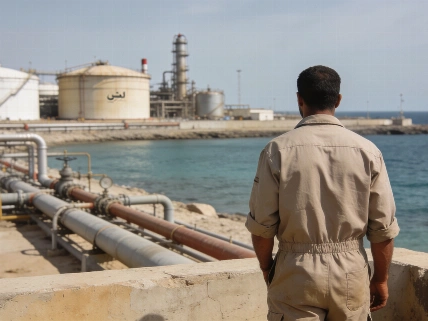
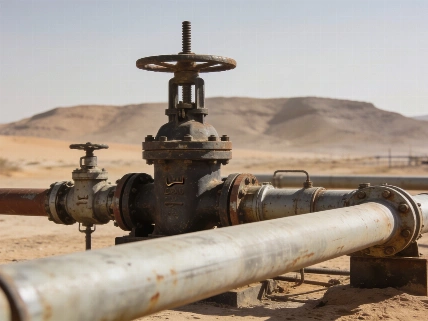
Turkey's economic footprint is already deep: since 1972, Turkish firms have executed 633 projects in Libya worth $31 billion, and bilateral trade hit $4.4 billion in 2025. In February, state energy company TPAO secured joint rights to operate two Libyan oil fields. The 2019 maritime deal with Tripoli, which gives Ankara a stake in energy-rich Mediterranean waters, remains a core interest-one that closer ties with Haftar could help protect, especially as the eastern parliament has yet to ratify it.
But Ankara's outreach is not just about energy. Turkey wants a seat at the table in Libya's reconstruction, security integration, and future political arrangements. Participation of both eastern and western Libyan forces in Turkey's EFES 2026 military exercise signals a push for security coordination that could outlast the current institutional split.
Regional realignment and the limits of Turkish leverage
Turkey is not alone in recalibrating its Libya policy. Egypt, a longtime Haftar backer, has also stepped up engagement with both camps. Improved Turkish-Egyptian relations, especially since July's NATO summit, have given Ankara more room to maneuver. Meanwhile, Washington is pressing for a unified Libyan government under a framework led by Massad Boulos, Donald Trump's adviser, focused on security and economic integration.
Yet the reality on the ground is stubborn. Libya's institutions remain fragmented, and foreign powers are less interested in genuine unification than in securing their own interests. As analyst Burak Can Çelik notes, Turkey's influence is ultimately limited by the competing agendas of local and external actors. Amanda Kadlec, a former UN Security Council expert, argues that Ankara's 2019 military intervention may still undermine its credibility in the east, while closer ties with Haftar risk alienating western partners who remember Turkey's decisive support during the siege of Tripoli.
For Ankara, the east offers a more straightforward, transactional relationship-one less encumbered by the fragmented armed groups that dominate the west. But this pragmatism comes with risks: if Turkey is seen as hedging rather than mediating, it could end up trusted by neither side.
Winners, losers and the risk of permanent division
Turkey's approach is designed to ensure that, whatever Libya's next political configuration, Turkish interests in energy, reconstruction, and defense remain protected. The strategy is less about shaping Libya's future than about insuring against it. As Çelik observes, Ankara may no longer see full reunification as essential if it can maintain its western foothold while gaining access to the east's resources and contracts.
This competitive diplomacy may reduce the risk of renewed war, but it also entrenches a status quo where foreign powers and local elites carve up influence while the country remains institutionally divided. As Jason Pack of Libya-Analysis puts it, the real story is not Turkey's rapprochement with Haftar, but the slow collapse of the old east-west binary as global blocs shift from proxy war to transactional deal-making.
Turkey's pivot is a masterclass in pragmatic statecraft-adapting to a Libya where alliances are fluid, and interests trump ideology. But the cost is clear: as long as external actors prioritize their own insurance policies over genuine settlement, Libya's divisions will persist, and the country's future will remain hostage to the calculations of its would-be patrons.