
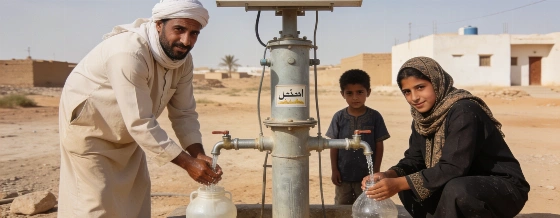
UNICEF Libya has installed 18 solar-powered water pumping systems in Sebha, Traghin, Tajrehi, and Kufra, providing improved and more sustainable water access for over 55,000 people, including 16,000 children, during World Water Week.
UNICEF Libya has announced the installation of 18 solar-powered water pumping systems across the southern and southeastern regions of the country, specifically in Sebha, Traghin, Tajrehi, and Kufra. The initiative, timed to coincide with World Water Week, is expected to enhance water access for more than 55,000 residents, including over 16,000 children. UNICEF highlighted that the project aims to deliver more sustainable and climate-resilient water services in areas where infrastructure has been under strain.
Solar Infrastructure Targets Water Scarcity
The deployment of solar-powered systems addresses persistent water scarcity in southern Libya, where communities have faced unreliable supply due to infrastructure challenges and energy shortages. By leveraging renewable energy, UNICEF seeks to reduce dependence on conventional power sources and ensure more consistent water delivery, particularly in remote and underserved areas.
Part of Broader Efforts to Stabilise Essential Services
This latest intervention forms part of ongoing efforts by international agencies and local authorities to stabilise essential services in Libya's south. The focus on solar technology reflects a broader trend toward climate adaptation and resilience in the region. The importance of reliable utilities was underscored recently when Libya's General Electricity Company (GECOL) responded to thousands of power outage reports in a single day, highlighting the vulnerability of basic infrastructure.
What to Watch Next
As UNICEF's solar water systems become operational, attention will turn to their long-term impact on community health and resilience. Monitoring the reliability of these systems and their integration with local management structures will be key to assessing their sustainability and potential for replication in other regions facing similar challenges.