President Abdelmadjid Tebboune has announced immediate compensation for families affected by recent wildfires in eastern and central Algeria, alongside arrests of suspected arsonists and plans to introduce the death penalty for deliberate forest fires.
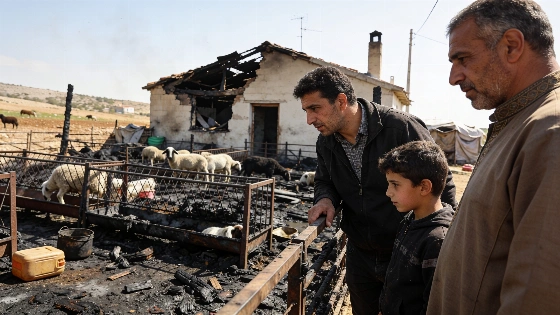
Algerian President Abdelmadjid Tebboune has ordered swift compensation for families affected by the devastating wildfires that swept through several eastern and central wilayas. The announcement followed a high-level meeting at the presidential palace, attended by senior civilian and military officials, to coordinate the state's response to the crisis. The government has pledged to cover all material losses, including livestock and household goods, as well as damage to homes. Dedicated commissions will assess damages for each family.
Before the meeting began, participants observed a minute of silence in memory of the victims. As of 26 August, the official death toll stood at 12, with 54 people injured, several in intensive care. The affected areas included Jijel and Béjaïa, as well as Tizi-Ouzou. The government declared three days of national mourning as emergency services, backed by the army and aerial resources, worked to stabilize the situation.
Arrests and Criminal Investigation
President Tebboune confirmed that individuals suspected of deliberately starting the fires had been arrested and investigations were ongoing. He instructed regional governors (walis) to provide all relevant information to security services, stressing the seriousness of the attacks on Algeria's forest heritage. His message to those responsible was unequivocal: Algeria would remain resilient, and attempts to destabilize the country would not succeed.
Video footage reviewed by the president showed multiple blazes igniting simultaneously around 1 a.m., pointing to the criminal nature of the fires. This pattern has raised impressive questions about coordination and intent behind the incidents.
Legal Reform: Death Penalty for Arson
In a major policy shift, Tebboune tasked the justice minister with drafting amendments to the penal code by 15 September. The amendments would introduce the death penalty for anyone found guilty of intentionally setting fire to forest property. The president insisted that the sentence must be carried out once all legal appeals are exhausted, challenging Algeria's longstanding de facto moratorium on executions, in place since the early 1990s. The draft law is expected to go before the government for review, then be submitted to the National People's Assembly within days.
Restoration and Return to Normalcy
The president set a deadline of the end of the week to restore impressive services in affected areas, including electricity and gas, as well as water and telecommunications. The aim is to allow residents to return to safe and comfortable homes. The housing minister has been directed to coordinate with local authorities and contractors to rehabilitate damaged dwellings, with clear delivery timelines for homeowners.
Tebboune framed the rapid compensation and recovery measures as a direct response to those seeking to undermine Algeria's stability and as reassurance to the public. He set a target of one week for life to return to normal in the disaster-hit regions and demanded the immediate implementation of all decisions.
Security and Regional Context
The Algerian government's response to the wildfires comes amid heightened concerns over organized criminal activity and national security. Recent operations, including the dismantling of a major transnational drug network by Algerian security forces, reflect wider state efforts to counter threats to public order and stability. For further background on Algeria's security environment, see this report on recent anti-crime operations by Algerian authorities.