
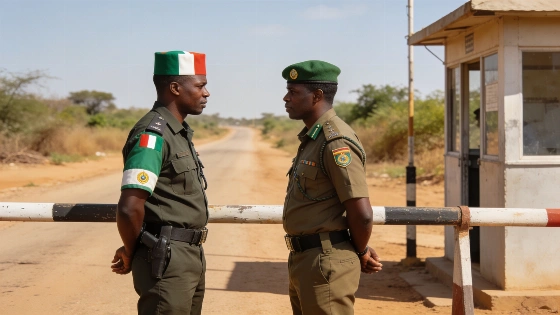
Benin's government has forcefully denied Niger's accusations of supporting a failed rebellion in Niamey, insisting on peaceful coexistence and warning that such allegations threaten fragile progress in reopening borders and restoring bilateral ties.
Allegations of Benin's involvement in the recent attempted coup in Niger have triggered a sharp diplomatic backlash, with Cotonou's government publicly rejecting claims broadcast by Nigerien state media that it aided a failed rebellion in Niamey. The accusations, aired on national television, named Benin alongside Côte d'Ivoire, France and Chad as supposed backers of the August 28-29 uprising, citing testimony from Nigerien Air Force commander Roger Gabriel.
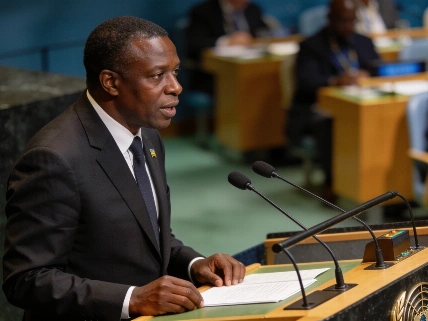
Benin's official response was swift and categorical. Government spokesperson Wilfred Hongbedji told reporters that Benin is not an enemy of Niger and has never supported any destabilisation efforts. He emphasised the deep ties between the two countries and called for a return to normal relations, underscoring that both states "have the duty to coexist peacefully" for the benefit of their populations.
Accusations threaten fragile diplomatic progress
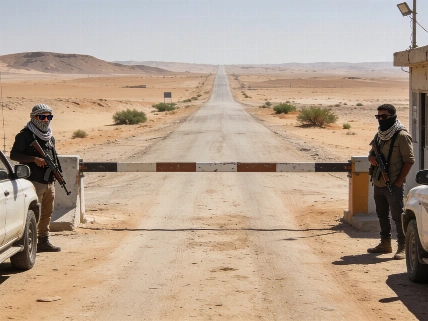
The timing of these allegations is particularly sensitive. In April, Benin and Niger had announced talks aimed at reopening their shared borders, which have been closed amid broader Sahel instability. The new claims risk derailing this tentative rapprochement, undermining efforts to restore cross-border trade and regional cooperation.
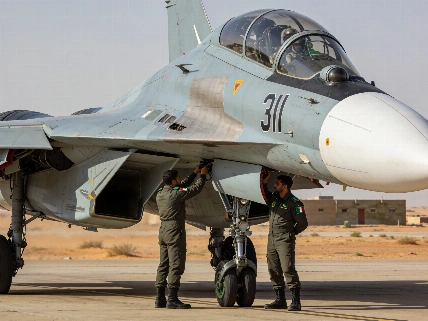
Military tensions in Niger remain high following the armed clashes at Niamey's base aérienne 101, located within the Diori Hamani airport complex. The attempted rebellion was ultimately suppressed by the presidential guard, reportedly with support from the Russian "Corps africain" presence in the country. The fallout has further complicated Niger's already fraught relations with its neighbours and external partners.
Benin's stance and regional implications
Hongbedji's remarks sought to distance Benin from any suggestion of subversion, reiterating the government's opposition to destabilisation in Niger. He appealed directly to Niger's authorities to recognise Benin's goodwill and to avoid actions that could inflame tensions or disrupt the interests of ordinary citizens on both sides of the border.
These developments come as the Sahel faces mounting security and governance challenges, with regional institutions under pressure to adapt. As reported earlier, the African Union has called for urgent reforms to address the continent's complex crisis environment-a context that frames the current Niger-Benin standoff.
Benin's unequivocal denial signals a refusal to be drawn into Niger's internal power struggles, but the episode exposes just how brittle regional trust remains. When accusations of coup support are deployed as diplomatic weapons, the risk is not only to bilateral relations but to the broader stability of the Sahel. For now, Benin's leadership has chosen de-escalation, but the underlying volatility in Niger's political and security landscape means that even unsubstantiated claims can have real consequences for cross-border cooperation and regional order.