At IWWI 2026, Prime Minister Mostafa Madbouly said Egypt had invested more than EGP 635 billion in water and sanitation over 12 years, while urging stronger maintenance, digital oversight and domestic supply.
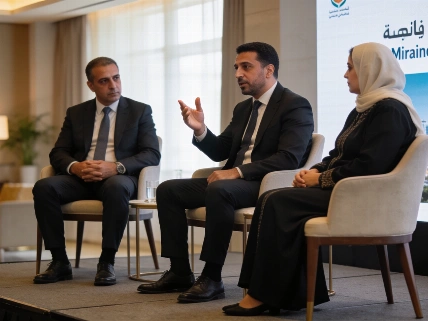
At the opening of the fifth International Exhibition and Conference for Water, Wastewater, Desalination, Treatment and Recycling Technologies (IWWI 2026) in Cairo on 26 October, Prime Minister Mostafa Madbouly said the next challenge was getting more from infrastructure already built, amid limited natural resources and rising demand. The Ministry of Housing, Utilities and Urban Communities sponsored the event, which ran through 28 October and brought together 61 national and international exhibiting companies.
He said climate change and global economic conditions were putting sustainability and efficient operations at the centre of the debate, alongside access to impressive services. The conference's agenda included drinking water, sanitation, desalination, treatment and recycling. Housing Minister Randa El-Menshawy described it as a platform for exchanging expertise and presenting new technologies.
Keeping existing infrastructure productive
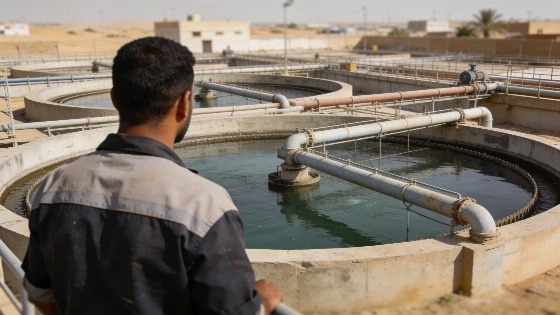
Madbouly said Egypt had invested more than EGP 635 billion in drinking water and sanitation over the past 12 years. The funding supported the construction and expansion of treatment plants across the country, along with distribution networks and utility facilities. The government's figure was cited in Egyptian Gazette coverage of his remarks. The wider state development effort has also been covered in Maghreb Insider's earlier reporting.
He said the next phase should focus on better maintenance and making fuller use of existing assets. Madbouly called for upgraded management and monitoring systems. Utilities also need stronger technical and financial performance, he said. Digital monitoring, control systems and data analytics can help reduce water losses and improve operational decisions.
Madbouly said projects should be judged by their long-term sustainability and service quality. He also pointed to their contribution to economic development and citizens' well-being.
Water security and domestic capacity
Madbouly described water security as a strategic national priority. He called for wider use of seawater desalination and advanced wastewater treatment, with water reuse expanding under approved standards and regulations. The Housing Ministry's strategy sets a planning target of approximately 10 million cubic metres of seawater desalination capacity per day by 2050, as outlined in coverage of the strategy.
Water Resources and Irrigation Minister Hani Swailem also outlined Egypt's water-resource constraints. He said annual needs were about 120 billion cubic metres, while available resources, reuse and virtual-water imports met around 89 billion cubic metres. His 10-pillar management strategy includes desalination, wastewater treatment, governance improvements and artificial intelligence.
Madbouly said progress would depend on continued technological development and better energy efficiency. Financing and operating models also need to remain viable over the long term. Digital monitoring and control systems, paired with data analytics, could help utilities cut water losses and make better-informed decisions.
Building domestic manufacturing capacity is another government priority. Madbouly said Egyptian industry could supply equipment for water-supply projects, while local expertise in wastewater treatment and desalination could support jobs and reduce import dependence. He also pointed to the need for advanced engineering and production skills, developed through technology transfer, workforce development and research. During the exhibition, he inspected company and institutional stands and highlighted cooperation between government entities and Egyptian and international firms. He also pointed to efforts to localise water and sanitation equipment manufacturing.
Madbouly said the government aims to encourage private-sector participation in infrastructure development and operations. Partnerships between Egyptian and international firms, he added, could transfer expertise and attract long-term investment, while opening opportunities in regional and African markets.