
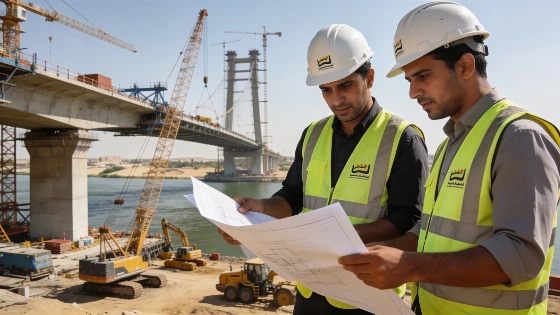
Egypt is intensifying talks with the Asian Infrastructure Investment Bank to secure financing for sustainable and climate resilient infrastructure, aiming to leverage its geographic position to connect Asian capital with African development priorities.
Egypt is not waiting for global capital to come knocking. Instead, Cairo is actively courting the Asian Infrastructure Investment Bank (AIIB) to bankroll a new wave of climate resilient infrastructure, betting that its geographic leverage can turn the country into a pivotal node for Asia Africa investment flows.
Finance Minister Ahmed Kouchouk made the pitch directly to AIIB President Zou Jiayi, arguing that Egypt's location is more than a map detail-it is a strategic asset for linking Asian capital with African infrastructure needs. The government is seeking to expand AIIB cooperation beyond traditional projects, targeting green transition initiatives, regional connectivity, and transportation upgrades that can withstand climate shocks.
Strategic Rationale for Diversified Financing
Egypt's push for AIIB engagement is not just about new money. Kouchouk underscored the need to diversify both sources and instruments of development finance, aiming to lower borrowing costs and reduce exposure to volatile global markets. The government's approach is pragmatic: secure multilateral backing for projects that align with national priorities, while keeping the door open to innovative financing structures.
This strategy comes as Egypt accelerates its green transition agenda, following a series of moves to attract international investment into sustainable sectors. The country's recent launch of a €271 million digital platform to streamline environmental impact assessments, as reported earlier, signals a broader shift toward integrating climate resilience into core infrastructure planning.
Regional Stakes and Operational Consequences
For Egypt, the stakes extend beyond national borders. By positioning itself as a bridge between Asia and Africa, Cairo is seeking to capture a share of the capital flows that increasingly target emerging markets for sustainable infrastructure. The AIIB, with its mandate to support cross-border connectivity and green projects, is a natural partner for this ambition.
Potential projects under discussion include upgrades to transportation corridors, investments in renewable energy, and initiatives to strengthen regional supply chains. The operational impact could be significant: improved infrastructure would not only bolster Egypt's own economic resilience but also enhance its role as a logistics and investment hub for the wider region.
Egypt's overture to the AIIB is a calculated move to secure long-term development leverage at a time when global financing conditions are tightening. By anchoring its pitch in climate resilience and regional connectivity, Cairo is signaling that it intends to shape-not just follow-the next phase of infrastructure investment in North Africa. The real test will be whether these ambitions translate into concrete projects and lower financing costs, or whether they remain aspirational talking points in a crowded field of international suitors.