
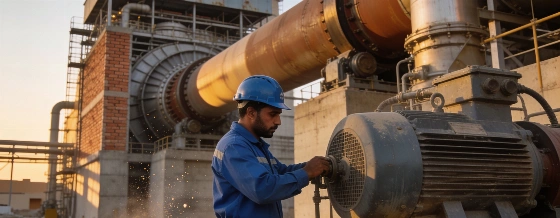
Libya's General Electricity Company (GECOL) has started operating the first unit at the new South Tripoli power station, a key step in efforts to address the country's acute electricity shortages and frequent blackouts.
The General Electricity Company of Libya (GECOL) has announced the initial operation of the first generating unit at the new South Tripoli power station. This move is intended to prepare the unit for integration into the national grid, as part of broader efforts to complete and commission all units at the facility. While GECOL has not specified when the newly generated electricity will be supplied to the public, local media reports suggest it could happen within days.
The South Tripoli station, with a planned total capacity of approximately 1,300 megawatts, is seen by both GECOL and the Tripoli-based Abdel Hamid Aldabaiba government as a critical asset in their strategy to resolve Libya's persistent electricity crisis. Last week, GECOL's newly appointed chairman, Bashir Al-Marash, stated that the crisis could be resolved within two weeks. However, some Libyan analysts remain skeptical that the station's output will be sufficient to meet the country's rising power demand.
Electricity Shortages and Social Impact
Since mid-June, Libya has faced severe electricity shortages, resulting in widespread power cuts and blackouts. These disruptions have triggered public anger, leading to demonstrations, road blockades, and the barricading of government buildings. The power outages have also caused secondary effects, including interruptions to telecommunications, increased demand and prices for diesel fuel, bread shortages, higher food prices, and the closure of clinics and industrial facilities. These pressures have at times threatened the stability of the Aldabaiba government, prompting the appointment of new leadership at GECOL.
Uncertainty Over Supply and Next Steps
Despite the commissioning of the first unit, it remains unclear when the South Tripoli station will deliver significant relief to the grid. Many observers question whether the new capacity will be enough to address Libya's chronic supply-demand gap, especially during peak summer consumption. The situation is being closely monitored, as the government's ability to deliver reliable electricity is seen as a key test of its capacity to respond to public needs.
For further context on the scale of Libya's electricity challenges, GECOL recently reported handling nearly 10,000 outage reports in a single day, reflecting the depth of the crisis and the pressure on technical teams to restore service. More details on this can be found in recent coverage of GECOL's response to mass outage reports.