
Greece and Denmark have publicly endorsed Morocco's autonomy plan for Western Sahara, aligning with UN Resolution 2797 and the EU position. Their stance signals a shift in European consensus and opens new channels for economic cooperation with Rabat.
Morocco's campaign to secure international recognition for its Western Sahara autonomy plan has gained decisive momentum, as both Greece and Denmark have now thrown their weight behind Rabat's proposal-directly aligning with the latest United Nations Security Council Resolution 2797 and the European Union's official stance.
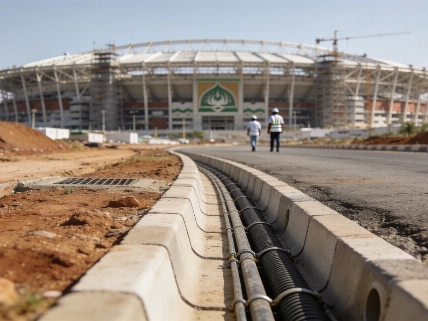
This dual endorsement is not just diplomatic theatre. It marks a concrete shift in the European landscape, with Athens and Copenhagen moving from cautious neutrality to explicit support for Morocco's sovereignty claims. The timing is no accident: Morocco's growing role as a regional economic and logistical hub, especially ahead of the 2030 FIFA World Cup, has made partnership with Rabat a strategic priority for European capitals seeking access to African markets.
European alignment and the UN framework
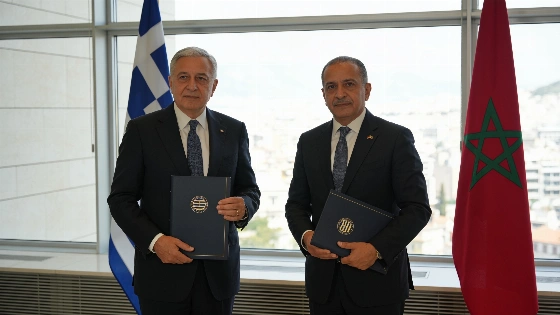
Greek Foreign Minister Giorgos Gerapetritis, after meeting with Nasser Bourita in Athens, described the Moroccan autonomy plan as a "serious and credible contribution" to the UN-led process. He made clear that Greece, soon to join the UN Security Council as a non-permanent member, "fully supports the efforts" of Staffan de Mistura, the Secretary-General's Personal Envoy, to negotiate a lasting and mutually acceptable solution based on the Rabat proposal. Gerapetritis called Morocco a "pillar of stability" in the region and highlighted the significance of Resolution 2797, which places the autonomy plan at the centre of negotiations.
Denmark's Foreign Minister Lars Løkke Rasmussen echoed this position during Bourita's visit to Copenhagen, calling the Moroccan plan "a sound basis for a mutually agreed solution" and "an essential contribution to the ongoing UN process." Denmark, already a Security Council member, has now formally joined the bloc of European states backing Morocco's approach, further isolating opponents of Rabat's sovereignty claims within the EU.
Economic interests and strategic partnerships
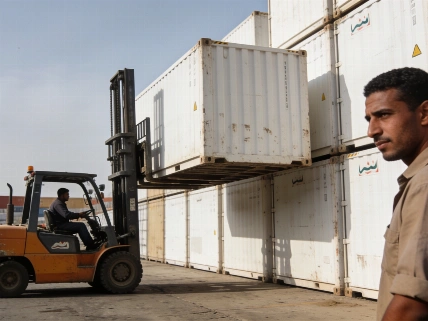
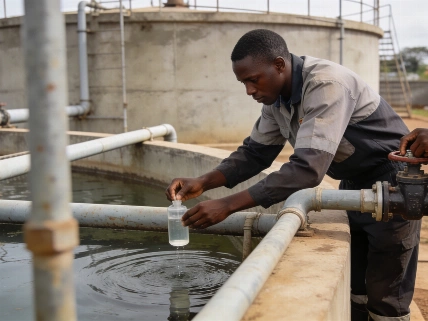
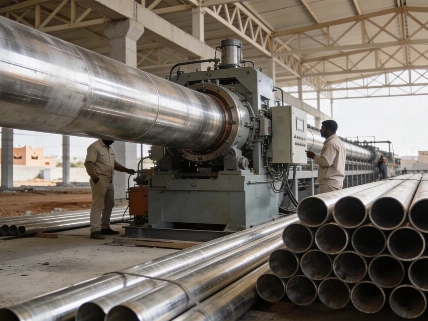
The diplomatic shift is inseparable from economic calculation. Greece and Morocco are intensifying cooperation in infrastructure, green energy, water management, ports, maritime transport, and agri-food sectors. Athens sees Morocco as a strategic entry point to sub-Saharan Africa, with the 2030 FIFA World Cup infrastructure boom offering new opportunities for Greek companies. Denmark's alignment is similarly pragmatic, as European states increasingly view Morocco as a stable partner for trade, logistics, and energy transition projects.
This pattern mirrors broader regional trends, as seen in reported earlier developments where European states have deepened economic ties with North African partners in parallel with diplomatic engagement.
Regional consequences and the new European consensus
The growing European consensus around Morocco's autonomy plan is a direct result of Rabat's sustained diplomatic offensive and the perceived need for stability in the Western Mediterranean. For Morocco, each new endorsement is a step toward consolidating its claim over Western Sahara and marginalising the Polisario Front's independence agenda. For European governments, the calculation is clear: supporting Morocco delivers access to African markets, reliable migration management, and a partner in energy transition-while aligning with the UN process provides diplomatic cover.
What is left unsaid in official statements is the transactional nature of this support. European capitals are not simply rewarding Morocco's diplomatic overtures; they are securing their own interests in a region where economic opportunity and political risk are tightly intertwined. The convergence around the autonomy plan is less about principle than about pragmatism-and for now, Morocco is the clear beneficiary.