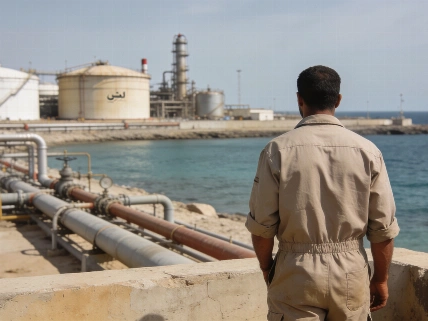

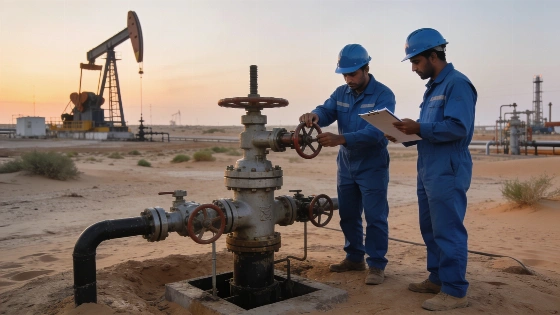
Harouge Oil Operations has brought its B79A replacement well online at the Amal Field in Libya, adding 2000 barrels per day to production as part of a targeted 2026 capacity expansion. The move signals renewed momentum in Libya's oil sector.
Libya's oil sector just gained a fresh injection of production as Harouge Oil Operations confirmed the B79A replacement well at Amal Field is now online, delivering a tested output of 2,000 barrels of crude oil per day. This is not a routine technical update-it is a concrete step in the company's 2026 drive to restore and expand national oil capacity after years of operational volatility.
The B79A well, which began producing on 28 August, is one of six new wells approved under Harouge Oil Operations' current expansion plan. The company's technical teams completed drilling and commissioning on schedule, with the well undergoing test separation on 30 August. The results: a 4% water cut and production rates that hit the company's operational targets.
Production boost at Amal Field
Amal Field remains a strategic asset for Libya's oil output, and the addition of B79A is a direct response to the sector's need for reliable, incremental gains. Harouge Oil Operations' decision to prioritise replacement wells reflects both the technical realities of mature fields and the pressure to stabilise national revenues. The company claims the project's success demonstrates the efficiency of its engineering teams and adherence to technical specifications.
For Libya, where oil remains the backbone of state finance and a barometer of political stability, every new barrel counts. The B79A well's 2,000 barrels per day may not transform the national balance sheet overnight, but it signals operational discipline and a willingness to invest in field recovery rather than simply managing decline.
Operational implications and sector outlook
Harouge Oil Operations' progress at Amal Field is a rare example of project delivery on time and to specification in a sector often hampered by security risks, institutional fragmentation, and infrastructure challenges. The company's ability to execute its 2026 plan will be closely watched by both domestic stakeholders and international partners seeking signs of stability in Libya's oil sector.
While the company's announcement highlights technical achievement, the real test will be sustaining and scaling these gains across the remaining wells in the expansion programme. If Harouge Oil Operations can replicate the B79A result, it will strengthen its position within Libya's competitive oil landscape and provide a modest but tangible boost to national output. In a market where reliability is as valuable as volume, this development is a reminder that operational discipline-not grand announcements-remains the true currency of Libya's oil recovery.