
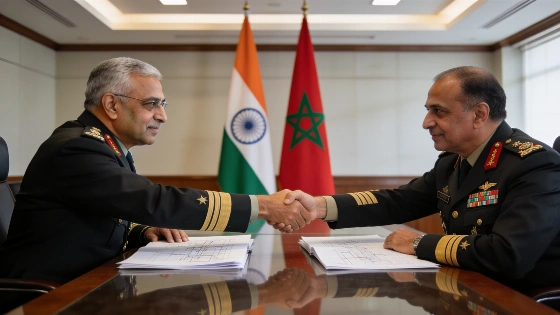
India and Morocco have activated a new phase in their defence partnership with the first Joint Defence Committee meeting in New Delhi, targeting expanded cooperation in military training, cyber defence, and defence industry collaboration as the 70th anniversary of ties approaches.
India and Morocco have moved beyond symbolic gestures and into concrete action, launching their inaugural Joint Defence Committee in New Delhi with a clear mandate: turn decades of diplomatic rhetoric into operational military and industrial cooperation. The timing is no accident-both governments are positioning themselves for a strategic upgrade as their bilateral relationship nears its 70th year in 2027.
The committee, co-chaired by Shri Amitabh Prasad of India's Ministry of Defence and Brigadier General Abdellah Athmani of the Moroccan Royal Armed Forces, did not limit itself to ceremonial exchanges. Instead, the agenda zeroed in on practical areas: joint military training, cyber defence, medical cooperation, and, crucially, defence industry partnerships that could see co-production and technology transfer between the two countries.
Defence Industry and Technology Take Centre Stage
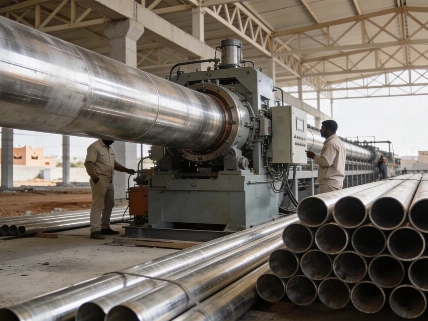
Morocco's delegation, on an official visit from September 7 to 10, received a direct introduction to India's expanding defence manufacturing sector at DPSU Bhawan. The focus was not on generic goodwill, but on identifying specific opportunities for joint ventures, technology collaboration, and sustainment of military equipment. Both sides agreed to explore co-production and maintenance arrangements, aiming to move beyond arms imports toward shared industrial capability.
This approach mirrors the region's broader trend toward strategic partnerships, as seen in reported earlier moves by Algeria and Azerbaijan to formalize energy and trade ties. For Morocco, deepening defence industry links with India offers a pathway to diversify suppliers and reduce dependency on traditional partners, while India gains a foothold in North Africa's evolving security landscape.
Military Training and Cyber Defence on the Agenda
The committee's remit extends well beyond hardware. Discussions covered joint military exercises, peacekeeping operations, and military medical cooperation. The Moroccan delegation's planned visit to the Army Hospital (Research & Referral) in New Delhi is designed to showcase India's military healthcare infrastructure, with an eye toward future collaboration in medical training and support for armed forces personnel.
Cyber defence emerged as a priority, reflecting the growing recognition that modern military partnerships must address digital threats as much as conventional ones. Both sides signaled intent to develop joint training and information-sharing mechanisms in this domain.
Institutionalizing Defence Ties Ahead of a Milestone Year
This inaugural Joint Defence Committee is not a standalone event. It builds on the 2025 memorandum of understanding signed during Defence Minister Shri Rajnath Singh's visit to Morocco, which established the institutional framework for regular review and expansion of defence cooperation. The committee now provides a structured platform to assess progress and set new targets as the 70th anniversary of diplomatic relations approaches.
For Morocco, the engagement is a calculated move to modernize its armed forces and tap into India's growing defence technology base. For India, the partnership opens doors in a strategically important region, offering both commercial and geopolitical dividends.
What stands out is the shift from aspirational statements to actionable plans. The committee's focus on co-production, technology transfer, and cyber defence signals a willingness to tackle the hard work of building real interoperability and industrial synergy. As both countries look to institutionalize these gains, the real test will be whether this momentum translates into signed contracts, operational joint ventures, and measurable capability upgrades-rather than another round of diplomatic photo-ops. For now, the launch of the Joint Defence Committee marks a rare instance of North African and South Asian defence interests aligning with tangible objectives, not just ceremonial intent.