
Libya and South Korea have locked in 28 September 2026 for a major economic cooperation forum in Tripoli, with officials now pushing for visa exemptions and direct business meetings to accelerate investment and trade between the two countries.
Libya is betting on a high-profile economic forum with South Korea to break years of inertia in bilateral investment. The date is now set: Tripoli will host the Libyan-Korean Economic Cooperation Forum on 28 September 2026, a move that signals both countries are ready to move beyond diplomatic formalities and into concrete business engagement.
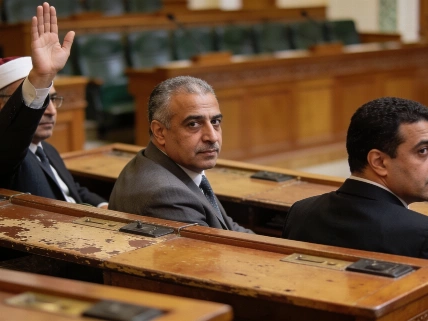
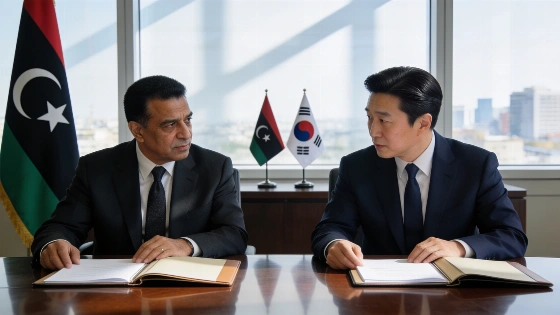
Behind closed doors, Ambassador Ashraf Mohamed Al-Taib, Director of the International Cooperation Department at Libya's Ministry of Foreign Affairs and International Cooperation, and Cho Woo-seok, Chargé d'affaires of the Embassy of the Republic of Korea in Libya, hammered out the first wave of technical and protocol arrangements. The Libyan side made it clear: Tripoli is not only prepared to host but is actively seeking to leverage the event to attract Korean capital and technology.
Visa policy and business access on the table
In a calculated move to lower barriers for official engagement, Libyan officials proposed a reciprocal visa exemption for holders of diplomatic and special passports. The aim is to streamline high-level visits and accelerate deal-making, with both sides agreeing to push the proposal through their respective bureaucracies. If implemented, this would mark a rare easing of travel restrictions between North Africa and East Asia, potentially setting a precedent for other regional partnerships.
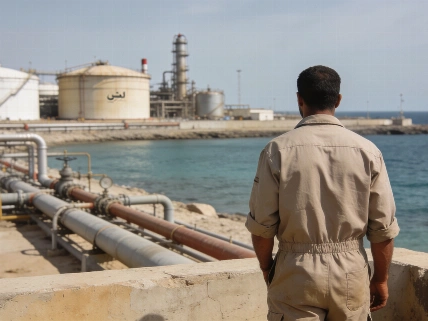
Preparations for the forum go beyond ceremonial speeches. Organisers are coordinating direct meetings between Libyan and Korean companies and institutions, targeting sectors where Korean expertise could fill critical gaps in Libya's reconstruction and diversification agenda. The focus is on generating tangible outcomes, not just photo opportunities.
Strategic context and next steps
This forum is not happening in a vacuum. Libya's push for foreign investment has intensified as regional competitors court Gulf and Asian capital. Recent moves, such as Saudi companies preparing to enter the Libyan market, underscore the urgency for Tripoli to diversify its economic partners. As reported earlier, the competition for foreign partnerships is heating up across North Africa.
For South Korea, the forum offers a rare opening to re-engage in Libya's post-conflict economy, where infrastructure, energy, and technology projects remain largely untapped. The success of the event will depend on whether both governments can deliver on their promises of streamlined procedures and real market access for investors.
Libya's willingness to propose visa exemptions and host direct business talks is a tactical shift from the region's usual risk-averse diplomacy. If Tripoli and Seoul can translate these gestures into binding agreements and actual investment flows, the forum could mark a turning point in Libya's international economic strategy. Otherwise, it risks becoming another well-intentioned summit with little to show for the effort.