
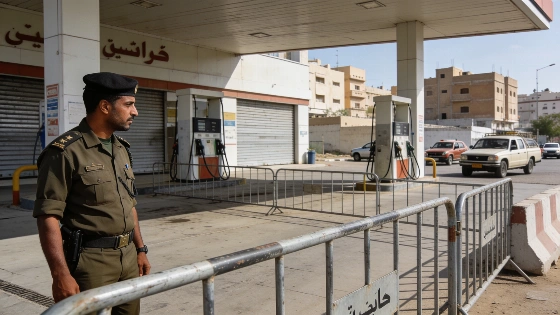
Libya's Interior Ministry has shuttered nearly 500 petrol stations accused of fueling the black market, as the government scrambles to contain a deepening fuel crisis that has left citizens facing long queues and soaring diesel prices.
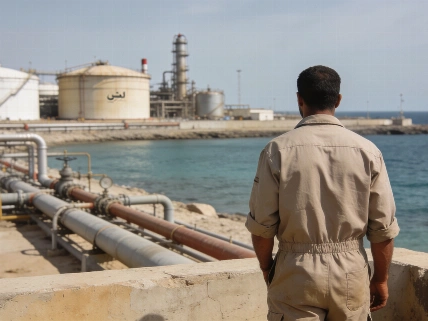
Nearly 500 petrol stations across Libya have been abruptly closed by order of the Interior Ministry, as authorities move to dismantle the sprawling networks that have turned subsidised fuel into a lucrative black-market commodity. The move, announced by Major General Imad Trabelsi, marks the most aggressive intervention yet in a crisis that has left ordinary Libyans stranded at the pumps and exposed the state's inability to control its own supply chains.
For weeks, Libyans have endured endless queues for petrol and diesel, with the situation deteriorating sharply since late June. The government's repeated assurances of fresh fuel arrivals at ports have done little to ease the shortages, as diesel in particular has vanished from legal channels-driven underground by chronic electricity blackouts and the mass switch to private generators. The result: a spike in demand and a windfall for smugglers, who profit from the state's inability to police its own borders and distribution networks.
Interior Ministry Targets Smuggling Networks
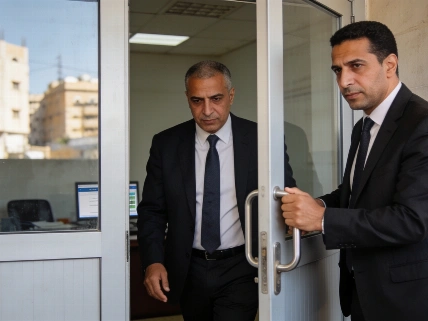
Major General Imad Trabelsi, who chairs the Fuel and Petrol Crisis Committee, revealed that 490 petrol stations were shuttered after being implicated in smuggling operations. The closures, coordinated with regional Security Directorates, are part of a broader security plan to restore order to the fuel market and ensure that citizens' basic needs are met. Trabelsi, flanked by committee members and oil company representatives, insisted that technical decisions on fuel distribution must be left to specialists, free from political interference or local powerbrokers.
In a rare moment of transparency, Trabelsi acknowledged that the National Oil Corporation and its affiliated companies are themselves grappling with operational challenges, further compounding the crisis. He promised that urgent, actionable solutions would be implemented within days, with a focus on addressing the root causes rather than simply treating the symptoms.
Subsidies, State Weakness and the Black Market
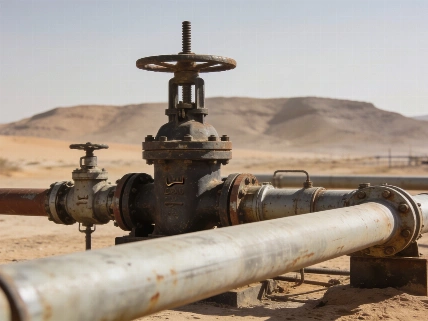
The roots of Libya's fuel crisis run deeper than the current shortages. Since the 2011 revolution, the country's vast subsidies on imported fuel-a legacy of the Qaddafi era-have created irresistible incentives for smuggling. Unlike under the previous regime, today's fragmented state lacks the capacity to enforce its own rules, leaving criminal networks to operate with near impunity. Analysts have long argued that as long as fuel remains artificially cheap, smuggling will remain endemic, with the state's import bill ballooning in direct proportion to the volume siphoned off to the black market.
Recent weeks have seen the crisis spill over into other sectors. As electricity outages have multiplied, both households and businesses have turned to generators, further driving up demand for diesel and pushing prices even higher on the illicit market. The situation echoes the strain on Libya's power grid, as reported earlier, where infrastructure failures have compounded the daily hardships faced by citizens.
Winners, Losers and What Comes Next
The immediate losers in this crackdown are the petrol station operators and smuggling networks whose profits have depended on state dysfunction. But ordinary Libyans remain at the mercy of a system that has failed to deliver basic services for over a decade. The government's decision to authorise the reopening of 365 stations-based on "actual needs"-is a tacit admission that the current model is unsustainable, and that technical expertise, not political patronage, must drive future reforms.
Libya's fuel crisis is not simply a matter of supply and demand, but a test of state capacity and political will. The Interior Ministry's mass closures are a necessary, if belated, step toward restoring order. Yet unless the government confronts the structural incentives for smuggling-starting with the removal of irrational subsidies and the rebuilding of regulatory authority-these measures will remain a temporary fix. The real battle is not at the petrol station, but in the corridors of power where Libya's future as a functioning state will be decided.