
Libya's banking sector processed nearly LD 765 billion in electronic payments in just eight months of 2026, as the Central Bank pushes for digital transformation and tighter oversight amid liquidity and currency access challenges.
Libya's digital banking revolution is no longer theoretical. In just eight months, the country's electronic payment systems have moved a staggering LD 764.9 billion-an unmistakable signal that cash is losing its grip on the financial system, and that the Central Bank of Libya (CBL) is determined to accelerate the shift.
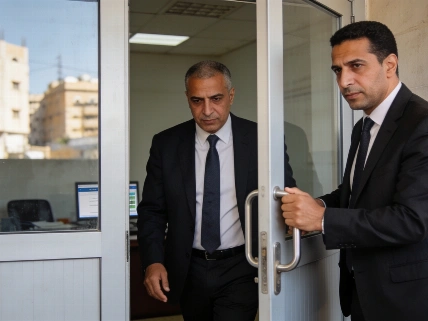
Behind this headline figure lies a coordinated campaign led by CBL Governor Naji Issa, who convened commercial bank executives and the state-run Moamalat company at his Tripoli office to confront the sector's most urgent pain points: cash shortages, foreign currency bottlenecks, and the need for robust, interoperable digital infrastructure.
Digital Payments Take Centre Stage
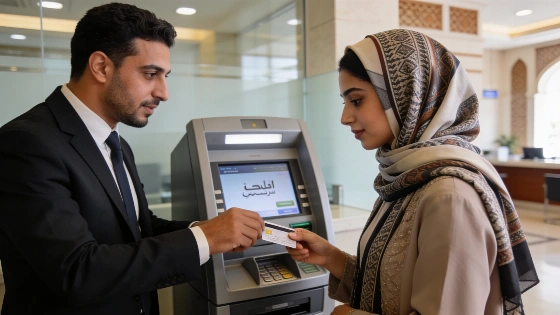
The LD 764.9 billion total, covering transactions from 1 January to 31 August 2026, is not just a statistical milestone. It reflects the rapid adoption of electronic payment methods across Libya's fragmented banking landscape, with Moamalat-the National Payment Switch (NPS) company-serving as the backbone for instant, interoperable transfers between state and private banks, mobile wallets, and fintech platforms.
Participants at the CBL meeting dissected the operational realities behind the numbers. Ensuring cash liquidity at commercial banks remains a daily struggle, as does the distribution of foreign currency to meet citizens' needs under existing regulations. The group reviewed technical and procedural measures to streamline both, while also scrutinising the readiness of banks to handle the growing volume and complexity of digital transactions.
Regulatory Pressure and Sector Coordination
Governor Naji Issa left little room for ambiguity. He demanded strict adherence to CBL-issued instructions and regulations, pressed for higher service quality, and called for relentless monitoring of bank performance. The message: digital transformation is not optional, and any institution lagging behind will face scrutiny.
Continuous coordination between the CBL and commercial banks is now a non-negotiable priority. The meeting's agenda made clear that resolving operational bottlenecks-whether in cash supply, foreign currency access, or digital infrastructure-will require both technical upgrades and disciplined compliance. This echoes the CBL's broader push for unified financial governance, as seen in its earlier breakdown of spending commitments with the government.
Winners, Losers, and the Road Ahead
For Libyan consumers, the expansion of e-payment options promises faster, more reliable access to banking services-provided that banks can keep pace with demand and regulatory expectations. For the banks themselves, the stakes are higher: those that adapt quickly to the CBL's digital mandate stand to capture market share, while laggards risk regulatory intervention and reputational damage.
What's clear is that the CBL is using both carrot and stick. The promise of a modern, efficient banking sector is real, but so is the threat of oversight for those who fail to deliver. As digital transactions approach the trillion-dinar mark, the days of business-as-usual banking in Libya are numbered. The sector's future will be defined by its ability to execute on digital transformation-not by rhetoric, but by measurable results.