
A drone attack on the National Oil Corporation's Brega Airport Road Fuel Depot has forced emergency measures, with fuel tanks being emptied to prevent disaster. The incident exposes the acute vulnerability of Libya's energy infrastructure.
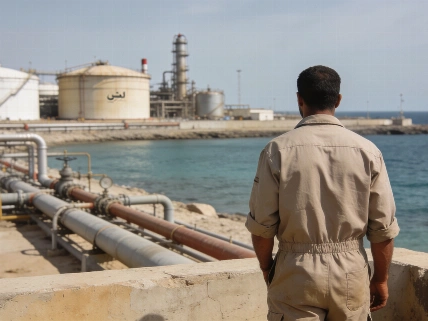
Libya's energy security was thrown into sharp relief this morning as the National Oil Corporation (NOC) began draining fuel tanks at its Brega Airport Road Fuel Depot, following a targeted drone strike that narrowly avoided catastrophic damage.
The attack, which the NOC swiftly condemned, did not result in significant physical destruction. Yet the corporation's decision to activate full emergency protocols and initiate the withdrawal of fuel from storage tanks signals just how close Libya came to a major supply crisis.
Escalating Threats to Critical Infrastructure
While the NOC confirmed that "praise be to God" no major harm was done, the incident underscores the persistent risk facing Libya's oil and fuel infrastructure. The Brega depot is not just another facility-it is a linchpin in the country's fuel distribution network, supplying power plants, hospitals, and essential services across the region. Any disruption here would ripple through daily life, from electricity generation to basic transport and healthcare.
In its official statement, the NOC called on all security and military authorities to "intensify efforts" and take responsibility for safeguarding these "vital sensitive sites." The corporation's warning was blunt: attacks on oil facilities are not just acts of sabotage-they are direct threats to the lives and livelihoods of Libyan citizens, draining national wealth and undermining the country's fragile stability.
Emergency Response and Regional Implications
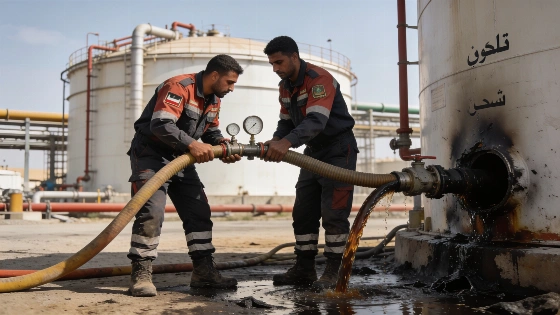
Specialized teams were immediately deployed to reduce fuel levels in the depot's tanks, a move designed to minimize the risk of explosion or fire should further attacks occur. The NOC's rapid escalation to full emergency readiness at all sites reflects a hard-learned lesson: in Libya's current security environment, even a failed strike can force costly and disruptive defensive measures.
This is not an isolated episode. Libya's energy sector has repeatedly found itself in the crosshairs of armed groups and political actors seeking leverage. The NOC's plea for restraint-urging all parties to "avoid any hostile acts" and respect the sanctity of oil facilities-rings hollow in a context where strategic assets are routinely weaponized in broader power struggles.
Efforts to diversify and secure Libya's energy supply have been ongoing, as seen in reported earlier initiatives to invest in renewables. But as today's events show, the country's dependence on vulnerable fuel infrastructure remains a critical Achilles' heel.
Energy Security at a Breaking Point
The immediate operational impact is clear: fuel is being withdrawn, emergency teams are on high alert, and the NOC is bracing for further instability. The broader consequence is a deepening sense of insecurity around Libya's most strategic assets. Every attack-successful or not-forces the NOC to divert resources from production and supply to crisis management, compounding the challenges of meeting domestic demand and maintaining export commitments.
Libya's oil sector cannot afford to operate in a perpetual state of siege. The NOC's public appeals for protection are not just bureaucratic formalities-they are a stark admission that, without credible security guarantees, the country's energy lifeline remains exposed to disruption at any moment. Until Libya's authorities move beyond statements and deliver real protection for critical infrastructure, the risk of a supply shock will remain ever-present-and the cost of inaction will be paid by ordinary Libyans first.