
Libya is actively courting Chinese investment and technical know-how to drive its reconstruction and development agenda, with a focus on water resources and artificial intelligence. High-level talks in Tripoli signal a push for deeper bilateral cooperation and concrete project delivery.
Libya is making a calculated move to secure Chinese capital and expertise as it attempts to rebuild its battered infrastructure and modernize key sectors. The message from Tripoli is clear: the government wants more than diplomatic pleasantries-it wants tangible Chinese involvement in reconstruction, water management, and advanced technology.
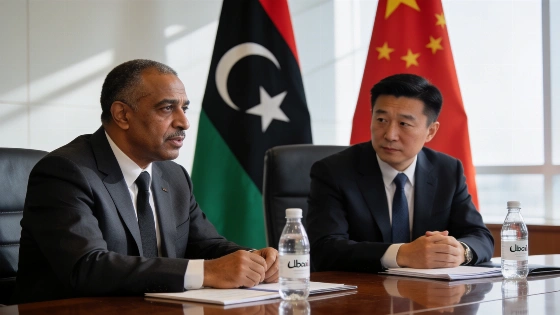
During a meeting at the Cabinet Office in Tripoli, Mohamed Ben Ghalboun, Minister of State for Prime Ministerial and Cabinet Affairs, pressed Ma Xu liang, the newly accredited Ambassador of China to Libya, for a partnership that delivers real results. The Libyan side did not hide its appreciation for China's supportive diplomatic stance, but the focus was on translating goodwill into actionable projects.
Libya's priorities for Chinese investment
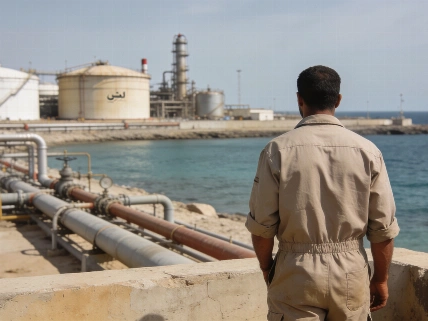
Libyan officials are targeting Chinese know-how in four areas: reconstruction, development, water resources, and artificial intelligence. These sectors are not chosen at random. Libya's infrastructure remains severely degraded after years of conflict, and water scarcity is a persistent threat to stability. By seeking Chinese involvement, Tripoli is betting on Beijing's track record in large-scale infrastructure and technology deployment.
The meeting also addressed the need for ongoing consultation and coordination on regional and international issues, but the subtext was unmistakable: Libya wants to see Chinese companies and engineers on the ground, not just at the negotiating table.
From diplomatic gestures to concrete projects
Both sides expressed a desire to move beyond statements of intent. The Libyan government is pushing for practical steps-programmes and projects that can be measured, not just discussed. The expectation is that future cooperation will extend across political, economic, consular, and development spheres, with a premium on initiatives that serve both nations' interests.
For China, the opportunity is significant. Libya offers a gateway to North African markets and a chance to demonstrate its capacity as a partner in post-conflict reconstruction. For Libya, the stakes are even higher: without external investment and technical support, its development ambitions risk stalling.
Libya's overture to China is more than a diplomatic courtesy call-it is a test of whether Beijing is willing to convert its supportive rhetoric into boots-on-the-ground engagement. If China responds with real investment and project delivery, it could reshape Libya's recovery trajectory and set a new standard for foreign partnerships in the region. If not, Tripoli's search for reliable partners will continue, and the gap between promises and progress will only widen.