
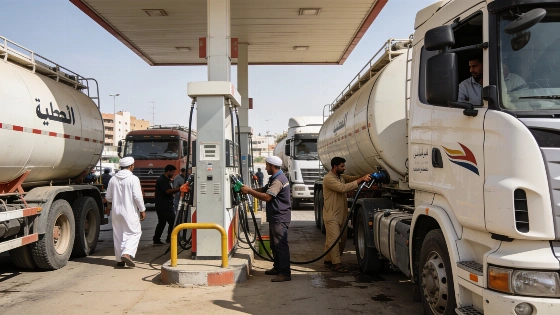
Libya has delivered diesel to almost 7,000 trucks in just four days, significantly reducing fuel shortages and long queues. The move is expected to stabilise diesel prices and support businesses and households reliant on generators.
Libya has made a major push to address its ongoing fuel shortage, with the Tripoli-based Security Directorates Support Unit announcing that nearly 7,000 trucks received diesel between 21 and 24 August. The operation, which involved 24-hour supervision at five key fuel stations, was designed to alleviate the severe bottlenecks that had left truck drivers facing long waits and disrupted logistics across the country.
One notable measure was the establishment of mobile filling points off Airport Road by Brega Petroleum Marketing Company, a subsidiary of National Oil Corporation Libya responsible for importing and distributing fuel and cooking gas. According to several reports, these interventions have led to the disappearance of the previously persistent truck queues, signalling a tangible improvement in fuel availability for the transport sector.
Impact on Diesel Prices and Black Market Activity
The improved diesel supply is expected to have a broader economic impact, particularly for households, businesses, and industries that depend on diesel-powered generators amid ongoing electricity challenges. The recent crisis had driven the price of subsidised diesel-officially set at LD 0.15 per litre by Brega but typically traded on the black market at LD 1.80-2.00-to as high as LD 8.00 per litre. With the restoration of supply, there is cautious optimism that black-market prices will fall, easing pressure on operating costs and household budgets.
Broader Context and What to Watch Next
The fuel distribution effort comes as Brega continues to report the arrival of fuel tankers at multiple Libyan ports, suggesting that supply chains are stabilising. This development follows other recent infrastructure responses to public service disruptions, such as the rapid handling of widespread power outages by Libya's General Electricity Company, which received nearly 10,000 outage reports in a single day and coordinated swift technical responses, as detailed in this related report. The effectiveness of these interventions will be closely watched in the coming weeks, as authorities seek to maintain momentum and prevent a resurgence of shortages.