
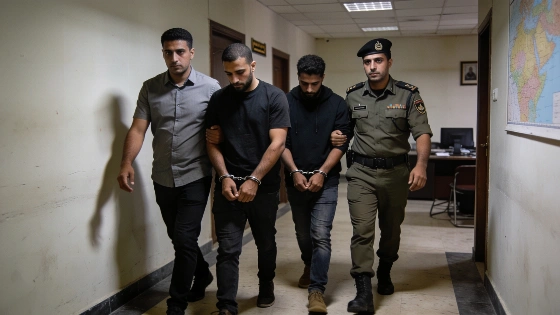
Libya's Tripoli-based government has dismantled a sabotage cell behind suicide-drone attacks on oil and power facilities, exposing a coordinated campaign targeting the country's critical energy infrastructure during a period of acute service pressure.
Libya's Tripoli-based authorities have exposed a coordinated sabotage campaign targeting the country's most vital energy assets, announcing the arrest of five individuals-both Libyan and foreign nationals-linked to a string of suicide-drone attacks on oil storage tanks and power plants. The government claims this is not an isolated incident but the tip of a far-reaching plot designed to destabilize Libya's infrastructure at a moment of maximum vulnerability.
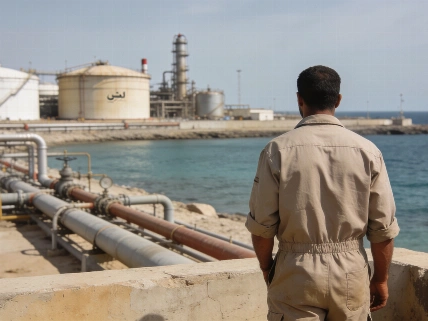
According to the Ministry of Defence, the dismantled cell had already struck oil storage facilities in Tripoli and Zawia, as well as the Zawia power plant, using drones rigged for destruction. Security forces say they intercepted additional attacks in the planning phase, including a foiled attempt to hit the South Tripoli power plant and other critical sites. The operation, described as a specialized intelligence effort, has now shifted to tracking down the wider network of planners, financiers, and facilitators behind the campaign.
Evidence Points to Systematic Targeting of National Assets
Officials stress that the evidence collected so far reveals a deliberate, interconnected strategy-one that systematically targets infrastructure, energy sources, and utilities directly tied to the daily security and livelihoods of Libyans. The timing is no accident: the attacks coincided with severe power cuts and fuel shortages, amplifying the impact on the population during the summer's peak demand.
Authorities insist that the dismantling of this cell is only the beginning. The government has pledged to pursue every individual involved, regardless of status or military rank, and to expose those who planned, funded, or shielded the operation. Legal and judicial action, they say, will be taken both domestically and internationally, with no exceptions for political or institutional cover.
Security Response and Public Disclosure
Tripoli's leadership has sought to reassure the public, declaring that the security of national assets is a red line. Once preliminary investigations are complete, the government promises to disclose the full scope of the plot, including the identities of those involved and their backers, to both domestic and international audiences. The message is clear: accountability will be enforced, and no one will be shielded by position or privilege.
This latest revelation follows a series of incidents that have raised alarm over the vulnerability of Libya's energy infrastructure. As reported earlier, previous drone attacks narrowly missed causing catastrophic damage to fuel depots, intensifying scrutiny of security protocols around strategic assets.
The government's aggressive posture signals a recognition that Libya's energy sector remains a prime target for destabilization efforts-whether by domestic actors, foreign interests, or a combination of both. The real test will be whether Tripoli can move beyond reactive crackdowns and establish a credible deterrent against future attacks. For now, the exposure of a coordinated sabotage network is a necessary first step, but the country's fractured institutions and persistent rivalries mean that the threat to Libya's energy lifelines is far from neutralized.