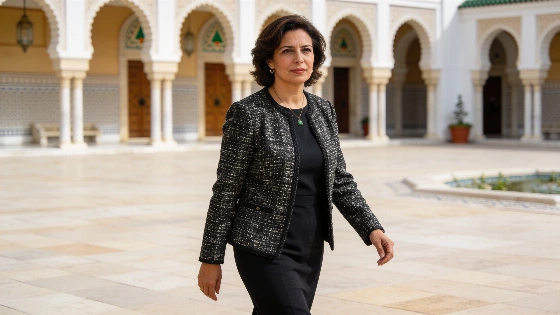
PAM won 97 of 395 parliamentary seats, and King Mohammed VI appointed Fatima Ezzahra El Mansouri prime minister-designate on 29 September. She is Morocco's first woman prime minister and the Arab world's second; coalition talks and the cost of living will test the new administration as Morocco prepares for the 2030 FIFA World Cup.
PAM finished first in the 23 September parliamentary elections, but its 97 seats fell well short of a majority. On 29 September, King Mohammed VI appointed Fatima Ezzahra El Mansouri prime minister-designate and asked her to form a government, according to the Royal Court announcement reported by Reuters.
The party won 97 of the 395 seats in the House of Representatives. A majority requires 198. El Mansouri will need coalition partners to secure support for her government. Reuters and regional media reported the election result and seat total.
The numbers are stark.
El Mansouri previously served as urban planning minister and mayor of Marrakesh. The King received her at the Royal Palace in Rabat. Her appointment follows Article 47 of Morocco's Constitution, which says the King appoints the head of government from the party that comes first in parliamentary elections, as noted in France 24's coverage. Her immediate task is to build a coalition that can govern.
El Mansouri is the first woman to serve as Morocco's prime minister and the second woman in the Arab world to hold the office, after Tunisia's Najla Bouden. Her appointment is a major political moment for the Maghreb. It does not settle who will join the cabinet or what policies the government will pursue. Reuters reported before the election that outgoing Prime Minister Aziz Akhannouch would not seek another term. He had stepped down as leader of the National Rally of Independents (RNI) earlier this year.
Jobs and the cost of living are likely to weigh on the new government. Reuters' election coverage described rising food prices and dissatisfaction with the previous government's performance as prominent campaign issues. Those concerns will shape the coalition's economic choices. Preparations for the 2030 FIFA World Cup also put pressure on the government to deliver infrastructure projects. Officials have not announced specific targets or a timetable for the new government's programme.
Household debt is another part of the economic picture. Earlier reporting on civil-servant debt described the financial strain facing households. In Tunisia, Bouden's earlier tenure offers a regional precedent for a woman leading a government. El Mansouri's appointment is a distinct milestone in Moroccan politics.
Her appointment does not determine who will govern with her or how the economic agenda will take shape. The first test is whether coalition talks produce a working majority. The longer-term test is progress on employment, living costs and infrastructure.