

Morocco's population is aging rapidly as fertility rates fall below replacement level and young graduates struggle to find work. The resulting demographic shift is testing the country's social protection systems and economic resilience.
Morocco is undergoing a major demographic change. For the first time, the country's fertility rate has dropped below the level needed to maintain its population, while the share of people aged 60 and older is rising quickly. This shift is reshaping Morocco's economy, social safety nets, and the outlook for younger generations. According to the Haut-Commissariat au Plan, Morocco's population is expected to reach about 37.25 million in 2026, with nearly 26 million adults. The country is aging faster than ever before. official demographic forecast.
As of 2024, the average Moroccan woman has 1.97 children, a sharp break from the country's past of large families. Life expectancy now tops 77 years, and more than 13% of Moroccans are over 60-a figure expected to reach 20% by 2040. Population growth has slowed to 0.85%, the lowest rate Morocco has seen. These trends match World Bank and Maghreb Arab Press data, which show similar aging patterns across North Africa.
Fertility decline and changing households
Several factors are driving these changes. Young Moroccans are marrying later, often after finishing school or finding work, which shortens the years they might have children. More than 80% of women now use contraception, giving families more control over their size. Urban life is another factor: over 60% of Moroccans live in cities, where high housing costs and work pressures make large families less practical. The United Nations Economic Commission for Africa notes that these trends are changing households across the Maghreb.
Women's education and growing participation in the workforce have also changed family life. As more women seek economic independence, the old model of large, multigenerational households is giving way to smaller, more individual family units. Regional data from An Nahar show Morocco's fertility rate dropping from 2.4 in 2016 to as low as 1.5 in 2024, though official confirmation is pending. This fits with the broader pattern of shrinking families in the Arab world.
Demographic dividend, but limited gains
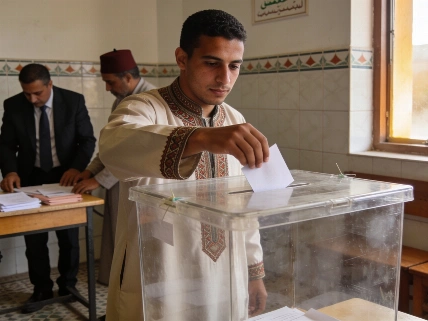
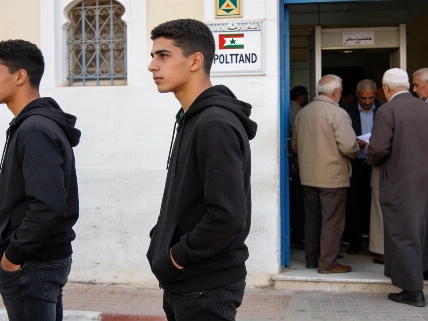
Morocco's age structure now offers a brief demographic dividend: there are more working-age adults than dependents, which could boost economic growth. But the country is struggling to take advantage. The job market cannot absorb the growing number of young, educated people looking for work. Unemployment remains high, especially for women, whose labor force participation is still below 20% despite more education. According to Maghreb Arab Press, only about 4% of registered voters are aged 18-24, while nearly 29% are over 60, showing how quickly the electorate is aging. recent electoral analysis.
The gap between education and employment is not new. Previous reports have covered reform plans aimed at job creation and social support, but deep-rooted problems remain. The economy is not diverse enough, and what students learn often does not match what employers need. The Tunisian Press Agency and other regional sources report similar issues across North Africa, where youth unemployment and underemployment are persistent problems.
Aging population strains social protection
While young people struggle to find work, Morocco's aging population is putting new pressure on social protection systems. The pension system covers only a small share of older adults, leaving many at risk of poverty. Health care is also under strain as chronic illnesses and long-term care needs rise. By 2040, one in five Moroccans will be over 60, making reform urgent. The Ministry of Solidarity, Social Integration and Family has recognized the need for major changes to pensions and health care to keep up with these shifts.
Authorities now face the challenge of turning these demographic changes into opportunities. Improving education, matching training to job market needs, and creating better jobs are top priorities. At the same time, the state must rethink pensions, expand health care, and provide targeted support for older people. Reducing gaps between urban and rural areas, and between men and women, is also essential if the benefits of demographic change are to reach everyone. Regional cooperation, as noted in recent African Union statements, will be important for sharing solutions and building stronger social protection across the Maghreb.
Morocco's demographic shift is permanent. How the country adapts its economy and social systems will shape whether this change brings resilience or greater social strain. Without focused reforms, Morocco risks missing the benefits of its demographic window and deepening social divides.